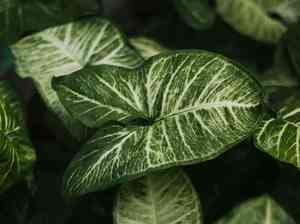
How Often Should You Water Your Arrowhead plant?
1
Hydrate your Arrowhead plant weekly to ensure continuous soil dampness, avoiding over-saturation.
2
Administering tepid water is optimal for Arrowhead plants, emulating the climatic conditions of their indigenous tropical environment.
3
Determine soil hydration by inserting your finger approximately 2.5 cm (1 inch) deep. Should it feel arid, irrigation is necessary.
Understanding the Hydration Requirements of Arrowhead Plant
The Crucial Role of Moisture for Arrowhead Plant Well-being
Water is vital for your Arrowhead plant's existence, being essential for photosynthesis, nutrient transportation, and preserving its structural integrity. Sufficient hydration guarantees that the plant can continue growing, develop abundant foliage, and maintain its vibrancy. Without regular watering, the plant might suffer from stunted development, wilting, and yellowing leaves.
Elements Influencing Hydration Needs
Arrowhead plant possesses specific water demands affected by various elements such as light exposure, humidity levels, container type, and soil composition. In brighter conditions or lower humidity, the plant might need more frequent irrigation. Similarly, porous terracotta pots can cause soil to dry out faster compared to plastic containers.
Optimal Watering Practices for Arrowhead Plant
How to Ascertain When Your Arrowhead Plant Requires Water
A practical method to determine when your Arrowhead plant needs moisture is by inspecting the soil's top layer. Insert your finger approximately 2.5 cm (1 inch) deep into the growing medium; if it feels dry at this level, it's time to irrigate. Another indicator can be slight drooping of foliage, signaling the plant's need for hydration.
Best Methods for Irrigating Arrowhead Plant
When watering your Arrowhead plant, ensure you do so thoroughly. Liquid should be added until it begins to flow out of the bottom of the pot. This helps to flush out excess salts and fully hydrate the entire root system. Ideally, use room temperature or lukewarm water to prevent shocking the plant.
Common Watering Errors to Avoid
Excessive Watering and Its Repercussions
Overwatering is among the most frequent errors made with Arrowhead plant. It can lead to root rot, a severe condition where the roots decompose due to too much moisture. Symptoms include yellowing leaves, a moldy soil surface, and an unpleasant odor from the soil. To prevent this, always ensure proper drainage and avoid watering too often.
Indicators of Insufficient Watering
Underwatering, though less common, can also harm your Arrowhead plant. Signs include dry, brittle leaf edges, and slower development. The plant may appear generally droopy and unhealthy. Regularly checking the soil's moisture and ensuring you maintain an appropriate watering schedule can prevent these issues.
Seasonal Adjustments for Watering Your Arrowhead Plant
Hydrating During the Active Growth Period
During the active growth season, typically spring and summer, your Arrowhead plant will be more vigorous in its development and will require more frequent irrigation. Weekly watering is often necessary, but always check the soil moisture to prevent overwatering.
Reducing Water During Rest Periods
In the dormant phase, usually autumn and winter, the Arrowhead plant's growth decelerates, and its water demands decrease. During these times, you can reduce irrigation to every other week or closely monitor the soil moisture to ensure it does not remain excessively wet for prolonged durations.



