How Often Should You Water Your Bird of paradise?
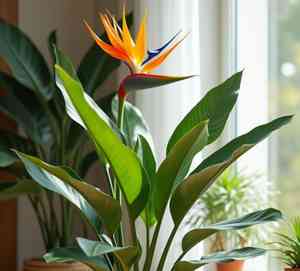
1
Moisten your Strelitzia reginae weekly, though modify this according to the time of year and surrounding conditions.
2
Excessive watering can lead to root decay, whereas insufficient watering might cause foliage to yellow.
3
Municipal water might contain substances detrimental to your Strelitzia reginae. It's advisable to allow it to stand for a day prior to use or opt for purified water.
Grasping the Hydration Needs of Bird of Paradise
Elements Affecting Water Requirements
The Bird of paradise, a popular tropical plant known for its vibrant, bird-like blooms, has varying water needs influenced by several factors. These include ambient temperature, humidity levels, light exposure, and the time of year. For instance, during its active growth phase (spring and summer), this plant will demand more moisture due to heightened metabolic activity from increased light. Conversely, during its dormant period in autumn and winter, its water requirements diminish as growth slows.
Indicators of Insufficient and Excessive Watering
Recognizing the signs of both under-watering and over-watering is crucial for maintaining a healthy Bird of paradise. If deprived of sufficient water, its leaves may become dry, brittle, and begin to curl or yellow. Conversely, excessive watering can lead to root rot, identifiable by foul-smelling soil and soft, decaying roots. Other symptoms include yellowing foliage and, in severe cases, leaf drop. Achieving the correct balance is vital for a flourishing plant.
Optimal Watering Practices for Bird of Paradise
Ideal Watering Frequency Across Seasons
During its active growth period, irrigate your Bird of paradise weekly. In the peak of summer, you might need to increase this frequency, especially if the plant receives direct sunlight. During colder months, reduce watering to once every two weeks, ensuring the soil dries out completely between waterings to prevent root decay.
Appropriate Water Volume
It's essential to provide enough water to thoroughly saturate the root zone. Typically, this means watering until you observe excess moisture draining from the pot's base. For outdoor specimens, aim to supply approximately 2-3 liters (about 0.5-0.8 gallons) per watering session. Remember, it's always preferable to water deeply and less often than to apply small amounts of water frequently.
Choosing the Correct Water Type and Temperature
The kind and warmth of water you use can also impact your Bird of paradise. Rainwater or filtered water are excellent choices as they lack the detrimental chemicals often found in municipal water. If using tap water, allow it to sit for 24 hours before use to permit chlorine to dissipate. Water temperature should be lukewarm, around 20-25°C (68-77°F), as cold water can shock the root system.
Innovative Watering Methods for Bird of Paradise
Utilizing Self-watering Systems
Self-watering systems can be a significant advantage for individuals who travel frequently or have demanding schedules. These systems deliver a consistent amount of water to the Bird of paradise's roots, preventing both dehydration and over-saturation. Ensure the reservoir is refilled as needed and check the soil's top layer to confirm it's moist but not waterlogged.
Advantages of Mulching for Moisture Retention
Applying mulch around your Bird of paradise helps retain soil moisture and reduces the need for frequent watering. Organic mulches such as bark, compost, or straw are ideal. They not only keep the soil moist but also contribute nutrients as they break down. Spread a layer approximately 5-8 cm (2-3 inches) thick around the plant's base, keeping it away from direct contact with the trunk to prevent rot.
Is Tap Water Suitable for Bird of Paradise?
Understanding the Effects of Tap Water Composition
Tap water may contain chlorine, fluoride, and other minerals that can accumulate in the soil and harm your Bird of paradise. Chlorine can damage the plant's root system, and fluoride might cause leaf tip burn. To mitigate these effects, let tap water sit out for 24 hours in an open container before applying it to your plant. Alternatively, use distilled or filtered water, especially in regions with hard water.



