How Often Should You Water Your Broadleaf stonecrop?
1
Moisten your Broadleaf stonecrop bi-weekly throughout its active growth phase.
2
Prior to irrigating, always assess soil dampness to prevent excessive watering.
3
In autumn and winter, decrease how often you water to a monthly schedule.
Understanding the Moisture Requirements of Broadleaf stonecrop
Distinctive Characteristics of Broadleaf stonecrop Soil Preferences
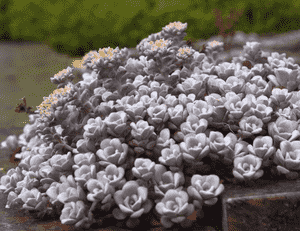
The Broadleaf stonecrop is a resilient and easy-to-care-for succulent, recognized for its thick, fleshy foliage and vibrant, cheerful look. This plant flourishes in well-drained, sandy substrates, closely mimicking its natural rocky environments. Its capacity to store water in its leaves makes it drought-resistant, lessening the need for frequent irrigation. Ensuring your Broadleaf stonecrop has proper drainage is vital, as this helps prevent water accumulation around the roots, which can lead to decay.
Impacts of Excessive and Insufficient Watering
One of the most frequent errors in Broadleaf stonecrop care is incorrect watering. Over-watering can result in root rot, identified by soft stems and leaves, while under-watering can cause the plant to wilt and shrink. Achieving a balance is crucial for maintaining plant health. Symptoms of over-watering include yellowing foliage and soggy soil, whereas signs of under-watering include dry, cracked earth and limp leaves.
Seasonal Adjustments for Broadleaf stonecrop Irrigation
Watering During Spring and Summer
During its active growth period, from spring through summer, Broadleaf stonecrop requires more frequent hydration. A general guideline is to water every two weeks, allowing the soil to completely dry out between sessions. However, this frequency can vary depending on environmental factors like temperature and humidity. Always check the top 2-3 centimeters (about 1 inch) of the soil to confirm it's dry before re-watering.
Reducing Moisture in Fall and Winter
In autumn and winter, Broadleaf stonecrop's growth slows, and its water demands significantly decrease. During these colder months, reduce watering to once per month. Excessive watering during this period can be particularly detrimental as the plant is not actively growing and needs less moisture. Ensure the soil is almost entirely dry before the next watering to prevent root decay.
Indicators That Broadleaf stonecrop Needs Hydration
Optimal Methods for Water Application
When hydrating your Broadleaf stonecrop, it's crucial to apply water directly to the soil, avoiding the leaves or stems. This approach helps prevent fungal diseases and ensures the roots receive the necessary moisture. Utilize a watering can with a narrow spout to target the plant's base. Water thoroughly until you observe drainage from the pot's bottom holes, indicating that the entire root system has been moistened.
Watering Frequency Based on Environmental Conditions
Environmental elements such as light, humidity, and temperature influence how often you should water your Broadleaf stonecrop. In bright, warm conditions, the soil dries out more quickly, requiring more frequent watering. Conversely, in cooler, more humid environments, the soil retains moisture longer, allowing you to extend the time between waterings. Always adjust your watering schedule according to the specific conditions your plant experiences.



