How Often Should You Water Your Goldmoss stonecrop?
1
Provide water to your Goldmoss stonecrop bi-weekly, modifying the schedule according to weather and seasonal shifts.
2
Confirm the soil is fully arid prior to re-watering to avoid root decay.
3
During colder months, lessen irrigation frequency since Goldmoss stonecrop enters dormancy and needs less moisture.
Understanding the Hydration Requirements of Goldmoss Stonecrop
Characteristics of Goldmoss Stonecrop Influencing Water Needs
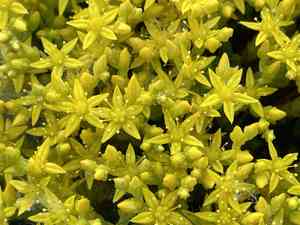
The Goldmoss stonecrop is a robust succulent recognized for its durability and capacity to flourish in diverse settings. This plant, native to Europe and Asia, possesses thick, fleshy leaves that store water, enabling it to endure periods of dryness. It's a low-growing, mat-forming succulent, frequently utilized as ground cover, in rock gardens, or as part of green roofs due to its ability to spread and adapt. The water-storing ability of its leaves significantly impacts its watering demands; it doesn't require frequent irrigation, as it can retain moisture for extended durations.
Indicators of Both Insufficient and Excessive Watering
Identifying the signs of both under-watering and over-watering your Goldmoss stonecrop is vital for its well-being. Symptoms of under-watering include shriveled, wrinkled foliage, and an overall stunted growth appearance. Conversely, over-watering can result in root rot, evidenced by yellowing leaves, soft stems, and an unpleasant odor emanating from the soil. It's crucial to find a balance, as either extreme can harm your plant.
Optimal Practices for Hydrating Goldmoss Stonecrop
Ideal Watering Schedule for Different Seasons
Adjusting your watering routine according to seasonal changes is crucial for the health of your Goldmoss stonecrop. During the active growth periods of spring and summer, irrigate your plant approximately every two weeks, ensuring the soil is completely dry between waterings. In autumn, slightly reduce the frequency as the plant prepares for dormancy. Throughout winter, when the Goldmoss stonecrop is dormant, water sparingly, perhaps once every 3-4 weeks, just enough to prevent the plant from completely drying out.
Correct Watering Techniques
Properly watering your Goldmoss stonecrop involves a few straightforward methods. Firstly, always use a pot with drainage holes to prevent water from accumulating at the bottom. When watering, aim to thoroughly saturate the soil until water flows out of the pot's base. Allow the soil to completely dry out before the next watering to prevent root rot. Additionally, it's best to water in the morning to allow excess moisture to evaporate throughout the day, reducing the risk of fungal diseases.
Adapting Watering Methods to Environmental Conditions
Adjusting Water Frequency in Various Climates
The watering requirements of your Goldmoss stonecrop can vary considerably based on the climate in which it's cultivated. In arid or hot climates, you might need to water more often, closely monitoring soil moisture levels. Conversely, in humid or cooler climates, extend the interval between watering sessions. Always remember, the key is to confirm the soil is dry before watering again, regardless of the climate.
Impact of Indoor vs. Outdoor Cultivation Locations
The location where you cultivate your Goldmoss stonecropâindoors or outdoorsâalso influences its watering needs. Outdoor plants are exposed to natural elements such as rain, wind, and direct sunlight, which can affect soil moisture levels and lead to faster drying. Indoor plants, shielded from these elements, may require less frequent watering. However, indoor plants in dry, heated rooms might need more attention. Regularly check the soil moisture and adjust watering practices based on your specific environment.



