How Often Should You Water Your Satin pothos?
1
Moisturize your Scindapsus pictus weekly to support its best development and vitality.
2
Foliage discoloration to yellow may signal either excessive or insufficient hydration.
3
Scindapsus pictus thrives with water at ambient temperature, ideally ranging from 20°C to 22°C (68°F to 72°F).
Deciphering the Hydration Requirements of Satin Pothos
The Crucial Role of Adequate Moisture for Satin Pothos
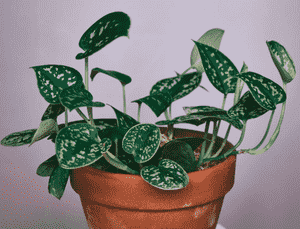
Water is vital for Satin Pothos, facilitating nutrient transport throughout its system. Proper hydration keeps the foliage vibrant and supports overall development. Consistent irrigation sustains the plant's vitality and prevents wilting. The Satin Pothos, a lovely plant with silver-flecked leaves, flourishes when its moisture needs are met. Regular dampness encourages its lush appearance, making it a wonderful addition to any home.
Indicators of Insufficient and Excessive Watering
Recognizing signs of incorrect watering can preserve your Satin Pothos. Under-watering typically shows as drooping foliage and dry, brittle leaf tips. Conversely, over-watering can lead to yellowing leaves and root decay. Striking a balance in irrigation is critical. If your plant displays yellowing leaves while the soil remains moist, it suggests over-watering. However, if the leaves become brown and crispy, it likely requires more water.
How Frequently Should You Irrigate Satin Pothos?
Variables Influencing Watering Schedule
While a common recommendation is to water your Satin Pothos weekly, several factors can alter this frequency. Environmental conditions such as humidity, temperature, and light exposure play significant roles. For example, a plant in a bright, arid environment might need more frequent watering than one in a shaded, damp location. Furthermore, the plant's size and its container can impact how quickly it uses water.
Seasonal Adjustments for Watering
Watering requirements can vary with the seasons. During warmer periods (spring and summer), your Satin Pothos will likely need more frequent irrigation due to accelerated growth and increased evaporation. Conversely, in cooler months (fall and winter), the plant's growth decelerates, reducing its water demands. It's crucial to adapt your watering routine seasonally to avoid over-watering during the plant's dormant phase.
Optimal Practices for Hydrating Satin Pothos
Selecting the Appropriate Water
The quality of water used can influence your Satin Pothos. Ideally, employ room temperature water, approximately 20°C to 22°C (68°F to 72°F), to prevent shocking the plant. Tap water is generally acceptable, but if it has high chlorine levels, consider using filtered or distilled water. Collecting rainwater can be an excellent natural substitute, supplying the plant with essential minerals without detrimental chemicals.
Effective Watering Methods
Thoroughly water your Satin Pothos until liquid drains from the pot's bottom holes to ensure uniform moisture throughout the substrate. Ensure the top 2-3 cm (1 inch) of soil dries out between watering sessions. Avoid letting the plant sit in standing water, as this can lead to root rot. A useful tip is to lift the pot to assess its weight; a lighter pot typically signals it's time for hydration.
Resolving Common Watering Problems
Addressing Yellowing Foliage
Yellow leaves frequently indicate a watering issue. If the leaves turn yellow but the soil consistently feels wet, your Satin Pothos might be suffering from over-watering. In contrast, if yellow leaves appear with dry soil, it's likely under-watered. Regularly check soil moisture and modify your watering habits accordingly. Pruning discolored leaves can also help the plant direct energy towards new growth.
Steps to Take if Satin Pothos is Over-Watered
If you suspect over-watering, the initial action is to allow the soil to dry completely. You might need to repot the plant into fresh, dry soil if root rot is severe. Ensure the new container has adequate drainage. Refrain from watering the plant until the topsoil feels dry to the touch. Additionally, placing the plant in a well-ventilated area can aid in faster drying. Consistent care will facilitate your Satin Pothos' recovery over time.



