How Often Should You Water Your Common sage?
1
Common sage typically requires watering weekly. Nevertheless, always assess the soil's dampness prior to irrigation.
2
In warm summer periods, you might need to hydrate your Common sage more often because of higher evaporation.
3
Employing porous soil and containers with drainage openings can avert the danger of overwatering your Common sage.
Grasping the Hydration Requirements of Common Sage
Attributes of Common Sage Influencing Its Water Needs
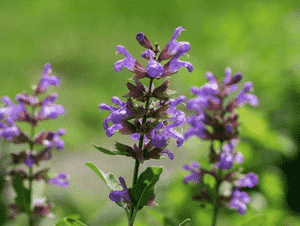
Salvia officinalis, or Common sage, is a perennial, evergreen subshrub featuring woody stems, grayish foliage, and blue to purplish blooms. Originating from the Mediterranean, this herb thrives in arid, sunny conditions, making it quite tolerant of drought. Its slightly fuzzy leaves aid in moisture retention, meaning it needs less frequent watering than plants like tropical houseplants. Common sage prefers sandy, well-draining soil that facilitates rapid excess water evaporation.
Indicators of Sufficient vs. Insufficient Hydration
Observing your Common sage can reveal whether it's getting enough water. A healthy plant will display vibrant, firm leaves and vigorous growth. If you notice wilting, curling, or yellowing leaves, it might signal inadequate watering. Conversely, overwatered sage often exhibits signs of root rot, such as brown, soft roots and potentially moldy soil.
Optimal Practices for Irrigating Common Sage
Seasonal Watering Recommendations
During spring and summer, when Common sage is actively growing, increase watering frequency to keep the plant hydrated. Typically, weekly watering suffices, but in extremely dry or hot climates, you might need to water every 4-5 days. In autumn and winter, reduce frequency as growth slows and evaporation lessens. Aim to water every two weeks or when the top 5 cm (2 inches) of soil feels dry.
Correct Methods for Watering Common Sage
Effective watering for Common sage involves a gentle stream directed at the soil, not the leaves. Water thoroughly to ensure moisture reaches the root zone, approximately 20-30 cm (8-12 inches) deep. Allow all excess water to drain to prevent waterlogging. If your Common sage is in a pot, ensure it has adequate drainage holes and use a well-draining potting mix.
Frequent Errors to Avoid When Watering Common Sage
Overwatering Dangers and Outcomes
Overwatering is a common error that can harm Common sage. Consistently wet soil can lead to root rot, a fungal issue that damages roots and impairs the plant's ability to absorb water and nutrients. Signs of overwatering include yellowing leaves, stunted development, and a musty odor from the soil. To prevent this, always check soil moisture before watering and ensure your soil drains well.
Underwatering Problems and Their Solutions
Underwatering can also present challenges for Common sage. Symptoms include drooping foliage, dry leaf edges, and slow development. If you suspect underwatering, increase watering frequency, but ensure the soil remains well-draining to avoid overcorrection. Mulching can help retain soil moisture, reducing the need for frequent irrigation.
Common Questions Regarding Common Sage Watering
How Does Container Size Impact Watering Schedule?
The pot's dimensions can significantly influence how often you need to water your Common sage. Smaller containers dry out faster and may require more frequent watering, while larger ones retain moisture longer but risk waterlogging if not properly drained. Always align watering frequency with pot size and the plant's requirements.
Can Mulch Aid in Moisture Retention for Common Sage?
Yes, mulching is an excellent strategy to help Common sage soil retain moisture. Applying a layer of organic mulch, such as straw or compost, around the plant's base can decrease evaporation, keep roots cool, and deter weed growth. This method is particularly beneficial during warmer months when water evaporation rates are higher.



