How Often Should You Water Your Pussy willow?
1
Moisten Pussy willow bi-weekly throughout its active growth phase for peak vitality and development.
2
Excessive watering can be as detrimental as insufficient watering, leading to root decay and other problems.
3
Assess soil dampness approximately 5 cm (2 inches) beneath the surface; if arid, irrigation is due.
Grasping the Hydration Requirements of Pussy Willow
Recognizing Indicators of Sufficient Hydration
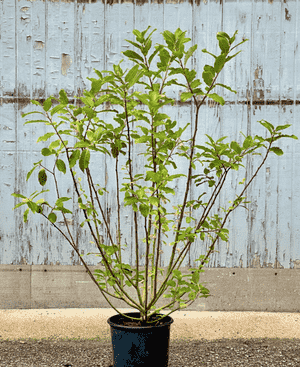
Understanding your Pussy willow's precise water demands is vital for vigorous development. A properly hydrated Pussy willow will exhibit robust stems and vibrant, green foliage. Its branches should not appear limp, and there should be no evidence of leaf scorching. Consistent observation ensures your plant receives the correct amount of water, promoting healthy growth and maturation.
Manifestations of Excessive and Insufficient Watering
Overwatering Pussy willow frequently results in yellowing leaves and an overall droopy appearance due to root decay. Conversely, inadequate watering can cause the leaves to become brittle and brown along their edges. Detecting these signs early allows you to modify your watering practices accordingly, safeguarding your plant's long-term vitality.
Seasonal Hydration Demands
Your Pussy willow's water requirements vary with the changing seasons. During its active growth period in spring and summer, it generally necessitates more frequent irrigation. Conversely, in the colder months of autumn and winter, you should decrease the watering frequency. This seasonal adjustment helps mimic the plant's natural habitat, fostering resilience and development.
Optimal Practices for Irrigating Pussy Willow
Selecting Appropriate Watering Implements
Utilizing the correct tools can significantly impact the care of your Pussy willow. A watering can with a narrow spout or a soaker hose is ideal for ensuring uniform water distribution at the plant's base without oversaturation. These tools assist in efficient watering, minimizing water waste and guaranteeing your plant receives the necessary hydration.
Proper Watering Methodology
Effective watering techniques involve thoroughly saturating the soil until water drains from the pot's bottom if your plant is container-bound. For Pussy willow planted in the ground, ensure the soil is moist at least 15-20 cm (6-8 inches) deep. Watering in the early morning permits the plant to absorb water before the day's heat causes evaporation. Avoid wetting the foliage to prevent mold and fungal diseases.
Monitoring Soil Moisture Levels
Vigilantly checking soil moisture is paramount. A simple method is to insert your finger approximately 5 cm (2 inches) into the soil. If it feels dry at this depth, it's time to water. Soil moisture meters are also available for more accurate readings, offering assurance that you are meeting your plant's hydration needs without over or under-watering.
Adapting Watering Strategies for Indoor and Outdoor Pussy Willow
Variations in Hydration Requirements
Indoor and outdoor Pussy willows have slightly different watering needs due to their environments. Indoor plants typically require less water as they are not exposed to elements like wind and direct sunlight. Conversely, outdoor Pussy willows may need more frequent watering, especially during hot and dry periods. Adjusting your watering frequency based on the plant's location ensures consistent growth and health.
Advice for Outdoor Pussy Willow Water Management
For outdoor Pussy willow, applying mulch around the plant's base helps retain moisture and regulate soil temperature. During dry spells, increase watering frequency to prevent stress. Conversely, during rainy seasons, ensure adequate drainage to avoid waterlogged soil. Regularly inspect the soil and plant for any signs of water stress and adjust accordingly.
Caring for Indoor Pussy Willow
Regarding indoor Pussy willow, position the plant where it can benefit from indirect sunlight. Avoid placing it near heating or cooling vents as these can dry out the plant more rapidly. Maintain a consistent watering schedule, typically twice a week, but always check soil moisture first to prevent overwatering. Utilizing a humidity tray or a room humidifier can also help maintain appropriate humidity levels around the plant.



