How Often Should You Water Your Mexican petunia?
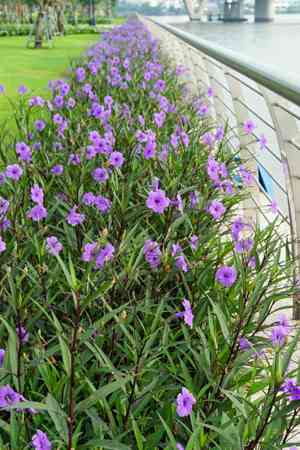
1
Provide water to your Mexican petunia weekly, allowing the soil's surface to dry before rewatering.
2
Mexican petunia thrives in continuously damp soil, though it can endure brief dry spells.
3
Refrain from watering from above to lessen the chance of fungal growth on Mexican petunia foliage.
Grasping the Mexican petunia's Hydration Requirements
The Fundamentals of Mexican petunia Watering
The Mexican petunia is a robust, drought-tolerant plant that flourishes with appropriate watering. Originating from Mexico, this attractive flowering species has adapted to diverse environments, but understanding its water needs can maximize its growth and bloom potential. Typically, the Mexican petunia prefers consistently damp soil. However, it's crucial to allow the topsoil to dry out sufficiently before re-watering. This helps prevent root rot and supports the plant's overall vitality. Begin by watering your Mexican petunia weekly, adjusting as necessary based on climate and soil conditions.
Indicators of Excessive and Insufficient Watering
Both overwatering and underwatering can significantly impact your Mexican petunia's health. Signs of overwatering include yellowed leaves, drooping stems, and saturated soil, potentially leading to root rot. To prevent this, ensure good soil drainage and avoid letting the plant sit in water. Conversely, signs of underwatering include wilting, dry and brittle leaves, and stunted development. If these symptoms appear, increase watering frequency and ensure the soil retains moisture longer.
Optimal Watering Practices for Mexican petunia
Selecting the Appropriate Watering Method
Effective watering techniques are vital for your Mexican petunia's health. The best approach is to water at the plant's base, ensuring moisture reaches the roots while keeping foliage dry. This helps prevent mold and mildew on leaves. Using a soaker hose or drip irrigation system can provide consistent water to the root zone without oversaturating the soil. Avoid overhead sprinklers, which can promote leaf wetness and increase disease risk.
Watering Frequency Throughout the Year
The watering schedule for your Mexican petunia can vary annually based on climate and seasonal shifts. During warmer months, more frequent watering, possibly twice a week, may be needed to counter increased evaporation and maintain soil moisture. Conversely, in cooler seasons, watering can be reduced as the plant's water demands decrease. Closely monitor weather and soil moisture levels, adjusting your watering routine accordingly.
Maintaining Soil Moisture for Peak Growth
Ideal Soil Conditions for Mexican petunia
For optimal growth, the Mexican petunia prefers well-draining soil rich in organic matter. Amend the soil with compost or peat moss to enhance its water-holding capacity while ensuring excess water can drain. Proper soil conditions help maintain the right moisture balance for plant growth and prevent root diseases from waterlogging. Aim for soil that remains consistently moist but not soggy to support the plant's development.
Mulching and Other Moisture Retention Strategies
Mulching is a highly effective method for conserving soil moisture and fostering healthy growth in Mexican petunia. Apply a 2-3 inch (5-7.5 cm) layer of organic mulch, such as bark chips or straw, around the plant's base. Mulch helps reduce water evaporation, regulate soil temperature, and suppress weed growth. Additionally, consider using water-retaining soil additives like hydrogels to boost water retention during dry spells. These techniques help maintain consistent soil moisture and lessen the need for frequent watering.
Addressing Common Water-Related Issues in Mexican petunia
Resolving Yellowed Leaves
Yellowing leaves in Mexican petunia can indicate various problems, often linked to improper watering. If overwatering is suspected, reduce watering frequency and check drainage. Ensure the soil isn't waterlogged and roots aren't sitting in standing water. For underwatering, increase watering frequency and ensure the soil retains adequate moisture. Providing the correct water balance can restore plant health and prevent yellowing leaves.
Managing Mold or Mildew Presence
Mold or mildew on Mexican petunia leaves typically results from excessive foliage moisture and poor air circulation. Avoiding overhead watering and ensuring proper plant spacing can minimize these issues. If mold or mildew appears, promptly remove and discard affected leaves. Improving air circulation around the plant by pruning dense growth can also help. In severe cases, consider using organic fungicides to control mold and mildew spread.



