How Often Should You Water Your Staghorn sumac?
1
After establishment, Staghorn sumac tolerates dry conditions and needs less frequent irrigation.
2
During its active growth phase, watering two times weekly is optimal.
3
Indications of excessive watering are yellowed foliage and decaying roots.
Grasping the Hydration Requirements of Staghorn Sumac
The Fundamentals of Staghorn Sumac Moisture
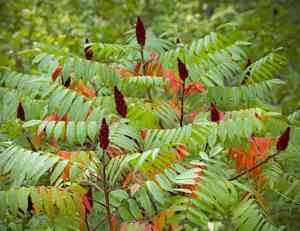
The Staghorn sumac is a hardy and decorative plant recognized for its striking autumn foliage and large, velvety clusters of crimson berries. Indigenous to North America, it flourishes in diverse settings, from woodlands to urban areas, and is particularly valued for its low-maintenance nature. A crucial aspect of maintaining a thriving Staghorn sumac is comprehending its water demands. Typically, Staghorn sumac needs moderate irrigation, especially during its initial growth phase. While it's establishing, watering twice weekly (approximately 5 liters or 1.3 gallons each time) promotes robust root development. However, once mature, the plant becomes more drought-tolerant and can adapt to less frequent watering.
Indicators of Insufficient and Excessive Watering
Observing the plant's reaction to watering is vital for preserving its health. Insufficient watering can lead to leaves wilting, curling, and browning at the edges. Conversely, overwatering is signaled by yellowing leaves and potential root rot. A proper balance is essentialâensure the soil is moist but not saturated. Checking the soil about 2 inches (5 cm) deep is a good practice; if itâs dry at that depth, itâs time to irrigate. Conversely, if the soil consistently feels wet, you might be providing too much water.
Optimal Watering Practices for Staghorn Sumac
How Much Water Does Staghorn Sumac Require?
Understanding the precise water requirements of Staghorn sumac is crucial for its optimal development. During the early growth stages, watering twice per week is ideal, ensuring each watering session delivers about 5 liters (1.3 gallons) of water. As the plant matures, decrease the frequency to once a week or even less, depending on rainfall and soil moisture levels. If you observe the leaves slightly drooping, it indicates the plant is thirsty.
Seasonal Watering Adjustments
Watering needs for Staghorn sumac fluctuate with the seasons. In spring and summer, when the plant is actively growing, consistent watering is essential to support its development. However, during autumn, reduce watering frequency to prepare the plant for dormancy. In winter, Staghorn sumac requires minimal watering as it uses less water during this resting period. Adjusting watering schedules based on seasonal changes ensures the plant remains healthy year-round.
Resolving Common Watering Issues
Addressing Water Stress
Water stress can significantly impact the health of your Staghorn sumac. Symptoms of water stress include wilting, yellowing foliage, and stunted growth. To combat water stress, ensure you are neither underwatering nor overwatering. Amending the soil with organic matter can enhance its water-retention capacity, creating a more stable environment for the plant. During extremely dry periods, consider applying mulch around the base to conserve soil moisture.
When and How to Modify Your Watering Schedule
Adjusting your watering schedule for Staghorn sumac is necessary based on climatic conditions, soil type, and plant age. During hot and dry weather, increase watering frequency to prevent dehydration. In contrast, during the rainy season, reduce watering to avoid waterlogging. Monitoring the weather forecast and conducting proactive soil moisture checks can help you determine when to modify your watering schedule. Being adaptable and attentive to these changes is key to ensuring the plant's longevity and vibrancy.



