How Often Should You Water Your Common buckthorn?
1
Provide moisture to your Common buckthorn bi-weekly, making sure the substrate is adequately drained yet uniformly damp.
2
Modify the irrigation routine according to seasonal shifts; increase watering during warmer months and decrease it in colder periods.
3
Excessive watering can cause root decay and other problems; always verify soil dampness prior to applying additional water.
Understanding the Hydration Requirements of Common buckthorn
Fundamental Watering Guidelines for Common buckthorn
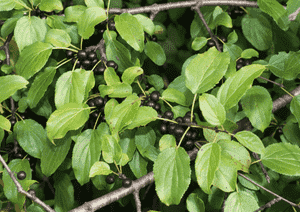
The Common buckthorn (Rhamnus cathartica) is a robust plant known for its adaptability to diverse environments. However, it requires specific hydration to flourish. The general recommendation for watering Common buckthorn is twice weekly. This schedule ensures consistent soil moisture without saturation. It's vital to monitor soil dampness, especially during initial growth stages.
Elements Affecting Water Demands
Several elements can influence how often you should irrigate your Common buckthorn. These include soil type, regional climate, and the plant's age. For example, sandy soils may need more frequent watering than loamy or clay soils due to quicker drainage. Similarly, during hot, arid conditions, you might need to increase irrigation to offset higher evaporation rates. Additionally, younger plants generally require more frequent watering than mature ones, as their root systems are still developing.
Optimal Practices for Watering Common buckthorn
How to Adequately Hydrate Common buckthorn
To effectively water your Common buckthorn, it's crucial to water deeply and thoroughly. This ensures moisture reaches the deeper roots, fostering a more extensive root system. Utilize a soaker hose or drip irrigation system to deliver water directly to the soil, minimizing evaporation and ensuring efficient moisture delivery. Allow water to penetrate at least 15-20 cm (6-8 inches) into the soil. After watering, check the soil 5 cm (2 inches) below the surface to confirm it's moist but not waterlogged. Consistent checks help maintain ideal hydration levels.
Avoiding Common Irrigation Errors
One of the most frequent errors is overwatering, which can lead to root rot, fungal diseases, and oxygen deprivation in the soil. To prevent this, always check soil moisture before watering. Another error is shallow watering, which promotes surface roots that are less drought-resistant. Water deeply to encourage a strong root system. Applying a mulch layer around the plant's base can also help retain soil moisture and reduce watering frequency.
Seasonal Adjustments for Watering Common buckthorn
Spring and Summer Irrigation Advice
During spring and summer, Common buckthorn experiences its peak growth phase, requiring more frequent watering. As temperatures rise and daylight increases, evaporation rates heighten, meaning you'll need to compensate by watering more regularly, often twice a week or even more in extremely hot conditions. In summer, make it a habit to water early in the morning or late in the evening to minimize evaporation losses. Regularly monitor the soil moisture and the plantâs foliage for any signs of drought stress.
Winter Watering Strategy
In winter, Common buckthorn enters a dormant phase, significantly reducing its water needs. Overwatering during this period can be particularly harmful as roots can remain waterlogged due to slower evaporation. Water sparingly, ensuring the soil does not dry out completely but is not overly wet. It's crucial to reduce the watering frequency to once every two weeks or less. If the ground is frozen, avoid watering altogether as the plant cannot uptake water efficiently from frozen soil.
Indicators of Improper Watering in Common buckthorn
Symptoms of Excessive Watering
Overwatering Common buckthorn can result in several clear signs. Yellowing leaves, wilting despite wet soil, and the presence of mold or fungi on the soil surface indicate excess moisture. Additionally, if you notice an unpleasant odor emanating from the soil, it might be a sign of root rot. To prevent these issues, always ensure the soil has good drainage and allows for air circulation around the roots.
Symptoms of Insufficient Watering
Conversely, underwatering displays different symptoms, such as leaf curling, browning at the edges, and premature leaf drop. The plant may also exhibit stunted growth and an overall droopy appearance. To combat underwatering, establish a consistent watering routine and consider using a moisture meter to ensure the soil is remaining within optimal moisture levels. Remember that consistent care is key to a thriving Common buckthorn.



