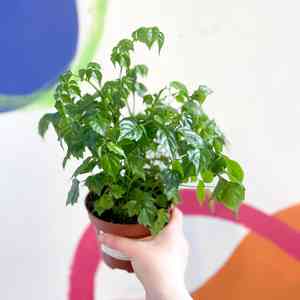
How Often Should You Water Your Emerald tree?
1
Provide moisture to your Emerald tree weekly to maintain consistent soil dampness.
2
Confirm the container possesses drainage openings to avoid excessive water retention.
3
Modify irrigation schedule according to seasonal changes and indoor environmental factors.
Understanding the Hydration Requirements of Emerald tree
How Frequently Should You Hydrate Your Emerald tree?
For the Emerald tree, consistent hydration is vital. Typically, it's recommended to water your Emerald tree weekly. The key is to maintain consistently moist, but not waterlogged, soil. During warmer periods, the plant may need more frequent watering, especially in bright locations where evaporation is faster. Always check the top 2-3 cm (1 inch) of soil to confirm it's dry before watering. It's generally safer to slightly under-water than to over-water.
Indicators of Adequate Hydration in Emerald tree
To ensure your Emerald tree receives sufficient water, observe its physical cues. Healthy foliage is the primary sign â leaves should be vibrant green and firm. Conversely, drooping or yellowing leaves may indicate a need to adjust your watering routine. Consistent growth and the absence of dry or crispy leaf tips also signify proper hydration.
How Seasonal Variations Influence Watering Frequency
Seasonal shifts impact the watering demands of your Emerald tree. In summer, or when indoor heating creates dry conditions, the plant might require more frequent watering. Conversely, during winter, when growth slows, less water may be needed. Adjusting your watering frequency according to these seasonal changes is crucial for maintaining the plant's well-being.
Selecting Appropriate Watering Methods
What Kind of Water Is Best for Emerald tree?
Standard tap water is usually fine for the Emerald tree, but it's best to let it sit for 24 hours to allow chlorine to dissipate. Using water at room temperature helps avoid shocking the roots. If your tap water is highly mineralized or softened, consider using filtered or rainwater to prevent salt accumulation in the soil.
Drip Irrigation Versus Manual Watering
Drip irrigation offers a convenient and efficient way to hydrate your Emerald tree by slowly delivering water directly to the root zone, minimizing waste. However, manual watering provides greater control and an opportunity to regularly inspect the plant's overall health. Regardless of the method, ensuring water reaches the root system without saturating the soil is paramount to prevent root rot.
The Importance of Draining Excess Moisture
Ensuring proper drainage is vital for the health of your Emerald tree. When water collects at the pot's base, it can lead to waterlogging and root rot. Always plant your Emerald tree in a container with drainage holes and use well-draining soil. After watering, empty the saucer beneath the pot to prevent water reabsorption.
Identifying and Resolving Watering Problems
How Over-Hydration Affects Emerald tree
Over-watering is a common issue that can severely harm your Emerald tree. It often results in waterlogged soil, depriving roots of oxygen and leading to root rot. Symptoms include yellowing leaves, a musty odor from the soil, and wilting despite moist conditions. If these signs appear, immediately reduce watering and assess root health. Repotting in fresh, dry soil can help prevent further damage.
Addressing Under-Hydrated Emerald tree
Conversely, under-watering can cause your Emerald tree to dehydrate, exhibiting wilted or brown leaves and stunted growth. To remedy this, gradually increase your watering frequency. Monitor soil moisture levels and adjust as needed to revive the plant. Regular misting can also help maintain adequate humidity around the leaves.
Optimizing Hydration Practices for Robust Growth
Adopting optimized watering practices ensures your Emerald tree flourishes. Use a moisture meter or probe to accurately monitor soil moisture. Establish a watering schedule that aligns with your plant's needs, considering environmental changes. If you're away, consider self-watering systems or placing the plant in a humid area to maintain hydration. Consistent care and attentiveness will result in a lush, healthy Emerald tree.



