How Often Should You Water Your Black oak?
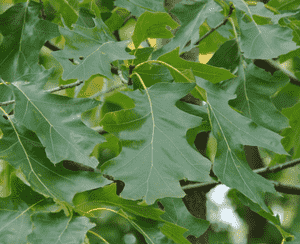
1
Moisten your Black oak bi-weekly to sustain ideal soil hydration.
2
In warm summer periods, your Black oak might require extra irrigation.
3
Applying a layer of mulch at the base of your Black oak can aid in preserving soil dampness.
Grasping Black oak Hydration Requirements
The Significance of Proper Moisture for Black oak
Ensuring your Black oak receives sufficient moisture is vital for its well-being and longevity. Adequate hydration aids nutrient absorption, fosters root development, and boosts overall growth. Without enough water, black oaks can experience stress, leading to stunted growth or even premature demise. Water serves as a conduit for transporting essential nutrients within the tree, making it an indispensable component for healthy foliage and a robust root system.
Elements Affecting Water Demands
Several elements influence the amount of water your Black oak requires. These include the treeâs age, the soil composition, climatic conditions, and its active growth period. Young black oaks need more frequent irrigation to establish their root systems, while mature trees are more tolerant of dry spells. Sandy soils drain quickly and may need more water compared to clay soils, which hold moisture longer. Furthermore, hot, arid, and windy conditions increase water evaporation and may necessitate more frequent watering.
How to Ascertain if Your Black oak Needs Water
Visual Indicators of Water Need in Black oak
Your Black oak will display several visual cues when it requires water. Symptoms include drooping leaves, dry or curling leaf edges, and yellowing or browning foliage. If you observe the tree's leaves wilting or losing their vibrant color, this often signals a need for more water. Additionally, cracks in the soil or dry earth around the tree's base are clear indications that your tree needs irrigation.
Utilizing a Moisture Meter for Precise Measurement
A moisture meter is a useful device for determining the exact water requirements of your Black oak. Insert the probe into the soil approximately 15-20 cm (6-8 inches) deep near the treeâs root zone. A reading in the mid-range typically signifies healthy moisture levels. If the meter indicates low moisture, itâs time to water. This method offers a more accurate assessment compared to relying solely on visual signs.
Optimal Practices for Watering Your Black oak
Seasonal Irrigation Guidelines
Watering needs for Black oak can fluctuate with the seasons. In early spring, as the tree leaves emerge, increase irrigation to support new growth. During the hot summer months, water your tree twice weekly to ensure it remains hydrated. In the fall, gradually decrease watering to help the tree prepare for winter dormancy. In winter, irrigation may be minimal unless there are dry spells or little snowfall.
Methods for Efficient Watering
For efficient watering, itâs best to irrigate deeply and slowly. Use a soaker hose to ensure the water penetrates the soil and reaches the root zone. Aim to provide about 37-56 liters (10-15 gallons) of water per session for young trees. Mature trees may require more based on their size and environmental conditions. Additionally, applying mulch around the base of the tree helps retain soil moisture and reduces water loss due to evaporation.



