How Often Should You Water Your Willow oak?
1
Willow oak generally requires watering two times weekly.
2
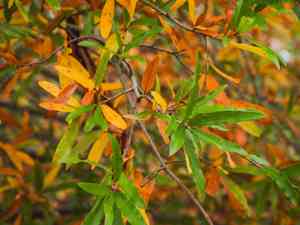
Incorrect irrigation may cause water stress, shown by yellowing or browning leaves.
3
Ideal soil and mulching practices can greatly improve water retention for Willow oak.
Grasping Willow Oak Hydration Needs
The Distinct Water Requirements of Willow Oaks
The Willow oak (Quercus phellos) is a grand tree noted for its willow-like foliage. Despite being an oak, it possesses specific water needs that differentiate it from other oak varieties. Indigenous to the southeastern U.S., Willow oaks flourish in damp, well-drained earth but can endure brief dry spells. To maintain your Willow oak's vitality, consistent watering is vital, especially during its growth phases. Typically, irrigating this species twice weekly is optimal, but environmental factors and the tree's age must be considered.
Elements Affecting Watering Frequency
Several elements can influence how often you should hydrate your Willow oak. Climate plays a significant role; hotter, drier conditions will necessitate more frequent irrigation, while cooler, wetter weather might lessen the need. Additionally, the soil type impacts water retention, with sandy soils requiring more frequent watering compared to clay soils. The tree's age is another crucial factor; younger trees with less established root systems demand more careful attention and consistent watering than mature Willow oaks.
Optimal Practices for Willow Oak Irrigation
Seasonal Watering Adjustments
Watering requirements for Willow oaks vary with the seasons. During the spring and summer months, when the tree is actively developing, you should water more frequently to support new growth and leaf formation. In the autumn, decrease watering to prepare the tree for its dormant period in winter. It is essential to maintain a balance, ensuring the soil remains moist but not saturated.
Methods for Effective Watering
Effective watering methods are crucial for your Willow oak's health. Deep watering is advised, as it encourages roots to penetrate deeper into the soil, making the tree more drought-resistant. Utilize a soaker hose or drip irrigation system to slowly deliver water to the root zone, ensuring thorough saturation without runoff. Avoid watering in the evening to reduce the risk of fungal diseases; early morning is the best time for irrigation.
Indicators of Over-watering and Under-watering
Recognizing Symptoms of Water Stress in Willow Oaks
It’s important to identify signs of both excessive and insufficient watering in your Willow oak. Over-watering can lead to root rot and other fungal issues, evidenced by yellowing leaves and an overall unhealthy appearance. Under-watering, conversely, will cause leaves to wilt, turn brown, and shed prematurely. Regularly inspect your Willow oak for these symptoms to address water stress promptly.
Corrective Actions for Water Problems
If you observe signs of water stress, implement immediate corrective actions. For over-watered trees, reduce irrigation frequency and enhance soil drainage. If under-watered, increase watering, ensuring deep and adequate hydration. Mulching around the tree's base can also help preserve soil moisture and lessen evaporation. Always adjust your watering practices based on the tree’s response to prevent further stress.
Maintaining Soil Health for Optimal Hydration
Selecting the Appropriate Soil Blend
Healthy soil is fundamental to effective watering. For Willow oaks, a well-drained soil mixture rich in organic matter is ideal. If planting in clay soil, amend it with compost or sand to improve drainage. Regularly test the soil pH and nutrient levels, adjusting as needed to maintain an environment conducive to robust root development.
Mulching Techniques to Retain Moisture
Mulching is an excellent strategy to maintain soil moisture and regulate temperature around your Willow oak. Apply a 5-10 centimeter (2-4 inch) layer of organic mulch, such as wood chips or shredded leaves, around the tree's base, extending out to the drip line. This practice helps retain moisture, suppress weeds, and gradually improves soil structure as the mulch decomposes.



