How Often Should You Water Your Pin oak?
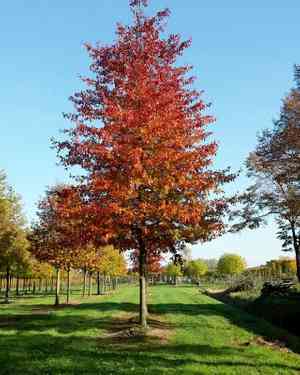
1
Irrigate two times weekly
2
Thorough watering promotes robust root development
3
Assess soil dampness 5 inches (12 cm) down prior to watering
Understanding Pin oak's Water Needs
Factors Affecting Water Requirements
When hydrating your Pin oak, it's crucial to consider various elements influencing its moisture demands. These include the tree's age, soil composition, climate, and placement. Young Pin oaks need more frequent irrigation than mature trees due to their undeveloped root systems. Soil type also plays a vital role; well-draining soil might require more frequent watering than heavy clay. Additionally, the climate significantly impacts watering needsâhotter, drier conditions necessitate more water. Lastly, trees in sunny locations will need more regular watering compared to those in shaded areas.
Signs of Proper Hydration in Pin oak
Observing your Pin oak is essential to ensure it receives the correct amount of water. Indicators of adequate hydration include vibrant, dark green foliage and consistent growth. If leaves begin to wilt or yellow, it could signal underwatering. Conversely, overly saturated soil can cause root rot and is equally detrimental. It's advisable to regularly check soil moisture approximately 5 inches (12 cm) deep near the tree's base. Soil that is moist but not waterlogged indicates proper watering.
How to Water Pin oak Effectively
Best Techniques for Watering Pin oak
For efficient watering of your Pin oak, consider the method of deep irrigation. This involves watering the tree slowly and thoroughly, allowing moisture to penetrate 12 to 18 inches (30 to 45 cm) into the soil. This approach promotes the development of a strong root system, making your tree more drought-resistant. Avoid wetting the foliage directly; instead, focus on the root zone. Applying organic mulch around the base can aid in moisture retention and provide a gradual release of nutrients.
Tools and Equipment Recommended
To water your Pin oak effectively, certain tools and equipment can simplify the process. A soaker hose is an excellent option for ensuring even, deep watering, as it releases water slowly. Drip irrigation systems are also highly efficient, particularly for larger or established trees. For those who prefer manual watering, a watering can with a long spout can help direct water to the tree's base without wetting the leaves. Always ensure your tools are clean to prevent introducing diseases to your tree.
Seasonal Watering Guide for Pin oak
Spring and Summer Watering
During spring and summer, your Pin oak will demand more frequent watering due to elevated temperatures and active growth. Aim to water twice weekly, adjusting based on rainfall and soil moisture levels. Morning is the optimal time for watering as it allows sufficient absorption before the day's heat.
Fall and Winter Considerations
In the fall, gradually decrease watering as the tree prepares for dormancy. During winter, Pin oaks generally require less water, but donât completely neglect them. If winter is dry, water the tree during warmer periods when the ground is not frozen. This helps prevent desiccation and supports overall tree health.
Frequently Asked Questions
How do I know if Iâm overwatering Pin oak?
Signs of overwatering include yellowing leaves, stunted growth, or waterlogged soil around the tree's base. To prevent this, always check soil moisture before irrigating. If the soil is still damp at a depth of 5 inches (12 cm), postpone additional watering.
What if it rains after Iâve watered my Pin oak?
If heavy rain occurs after watering, you can skip the next scheduled irrigation. Excessive moisture can lead to root rot, so always ensure that the soil is not overly saturated. You might need to adjust your watering routine based on natural rainfall patterns.



