How Often Should You Water Your Bradford pear?
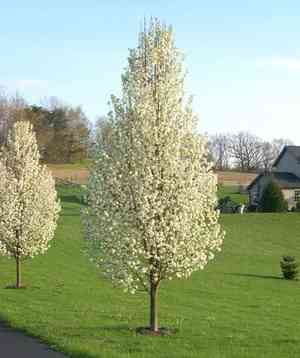
1
Provide water to your Bradford pear two times weekly to sustain ideal soil dampness.
2
Vigorous Bradford pear trees exhibit rich green foliage and consistent development.
3
Apply a layer of mulch around the base of your Bradford pear to preserve soil moisture and lessen water loss through evaporation.
Grasping the Hydration Requirements of Bradford Pear
Fundamentals of Bradford Pear Watering
The Bradford pear (Pyrus calleryana) is a favored decorative tree recognized for its striking spring blossoms and rapid development. To sustain these attributes, comprehending its hydration demands is vital. Typically, the Bradford pear necessitates a steady water supply, especially during its initial years. The general advice is to irrigate this tree twice weekly. However, the precise frequency can be modified based on weather conditions, soil type, and the tree's developmental stage. Ensuring the roots receive ample water without becoming saturated is crucial for a thriving tree.
Indicators of Sufficient Watering
Determining if your Bradford pear is adequately hydrated involves observing its foliage and overall vitality. Healthy Bradford pear trees exhibit deep green leaves that feel firm. Furthermore, consistent growth patterns and the emergence of flowers in spring signify good health. If you observe leaves wilting or yellowing, this could signal either over-watering or under-watering, and adjustments should be made accordingly.
Consequences of Over-Watering
Excessive watering of your Bradford pear can lead to several problems, primarily root rot. This occurs when roots remain submerged in water for extended periods, resulting in oxygen deprivation. Symptoms of over-watering include yellowing foliage, a musty odor from the soil, and poor tree development. Root rot can be fatal if not addressed promptly.
Consequences of Under-Watering
Insufficient watering can be just as harmful as over-watering. When a Bradford pear doesn't receive enough water, it may display signs such as wilted, brittle leaves, and stunted growth. The tree might also become more vulnerable to pests and diseases due to weakened defenses. To prevent these issues, ensure your Bradford pear receives consistent irrigation, particularly during hot and dry spells.
Proper Techniques for Watering Your Bradford Pear
Optimal Methods for Irrigating Bradford Pear
To correctly water your Bradford pear, it's best to irrigate deeply and infrequently rather than superficially and often. This promotes deeper root growth, making the tree more resilient. Utilize a soaker hose or drip irrigation system to deliver water directly to the root zone. Ensure the soil is moist but not waterlogged; this may require adjusting the watering schedule based on weather and soil composition.
Seasonal Adjustments in Irrigation
Seasonal shifts necessitate modifications to your Bradford pear's watering regimen. During the warm summer months, you might need to increase watering frequency to compensate for higher evaporation rates. Conversely, during cooler periods, reduce irrigation to prevent waterlogging. Be especially mindful in autumn when leaves fall, as the tree's water needs significantly decrease.
Assessing Soil Moisture Before Irrigation
Before watering, it's essential to check the soil moisture around your Bradford pear. Insert a finger or a moisture meter into the soil to a depth of approximately 5-10 cm (2-4 inches). If the soil feels dry at this depth, it's time to water. This practice helps prevent both insufficient and excessive watering, ensuring the tree receives the ideal amount of moisture.
Additional Advice for Healthy Bradford Pear Upkeep
Mulching for Soil Moisture Retention
Applying a layer of mulch around the base of your Bradford pear can significantly assist in retaining soil moisture. Use organic mulch such as wood chips or straw, spreading it about 5-10 cm (2-4 inches) thick and ensuring it doesn't touch the tree trunk. This practice helps reduce evaporation, maintains stable soil temperature, and can also suppress weed growth.
Avoiding Common Irrigation Errors
Frequent watering, applying too much water at once, and failing to adjust watering based on seasonal needs are common irrigation mistakes. Avoid these errors by adhering to a consistent schedule, monitoring soil moisture, and adapting your watering habits as necessary. Also, ensure water reaches the root zone instead of merely wetting the surface soil.
When to Seek Expert Horticultural Advice
If you're uncertain about your Bradford pear's health or if you observe persistent issues despite following proper watering practices, it's wise to consult a horticulture expert. They can offer specific guidance tailored to your tree's requirements, diagnose any underlying problems, and suggest appropriate treatments. Professional assistance can significantly contribute to maintaining a healthy and flourishing Bradford pear.



