How Often Should You Water Your Flowering almond?
1
Moisten your Flowering almond bi-weekly, modifying as per climate and ground state.
2
A mature Flowering almond possesses deeper roots, requiring ample hydration to penetrate at least 30-45 cm (12-18 inches) into the soil.
3
Apply a layer of mulch around the trunk of your Flowering almond to aid in moisture retention and minimize water loss through evaporation, particularly in warm regions.
Understanding the Hydration Requirements of Flowering Almond
The Significance of Adequate Moisture
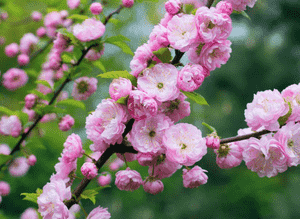
Sufficient moisture is vital for the well-being and blooming capacity of your Flowering almond. This plant, with its delicate pink blooms, flourishes when it receives consistent and appropriate amounts of water. Hydration impacts everything from flower production to overall plant vigor. Ensuring your Flowering almond gets the right moisture level can significantly influence its growth and visual appeal.
Indicators of Insufficient and Excessive Watering
Monitoring for signs of underwatering and overwatering is crucial for maintaining a healthy Flowering almond. Under-hydrated plants may display wilting leaves, dry soil, and reduced flowering, while an over-hydrated one might show yellowing foliage, root decay, or soggy soil. By learning to identify these symptoms, you can adjust your watering practices to better suit the plant's needs.
Optimal Strategies for Watering Your Flowering Almond
Seasonal Watering Adjustments
Your Flowering almond's watering requirements change with the seasons. During spring and summer, when the plant is actively growing and blooming, it needs more water. As a general guideline, irrigate your Flowering almond twice weekly during these periods. In autumn and winter, decrease the frequency as the plant's growth slows. Always check soil moisture before watering, as overwatering in cooler months can be harmful.
Selecting the Correct Watering Implements and Methods
Choosing the right tools and techniques can make watering your Flowering almond more effective. Soaker hoses and drip irrigation systems are excellent choices, as they ensure water penetrates deeply into the soil without causing runoff. Watering in the early morning or late evening reduces evaporation, ensuring more water reaches the roots. Additionally, using a gentle spray nozzle can prevent damage to the delicate flowers and leaves.
Common Watering Errors to Avoid with Flowering Almond
Overwatering: The Silent Destroyer
Overwatering is a frequent error that can severely harm your Flowering almond. It leads to waterlogged soil, which can suffocate roots and promote root rot. To prevent overwatering, always check the top layer of soil; it should be dry to the touch before you water again. Proper drainage is also essential. Ensure the plant is in well-draining soil or pots with adequate drainage holes to prevent water from accumulating around the roots.
The Timing Pitfall: When to Hydrate
The timing of your Flowering almond's watering can affect its health. The best time to water is early in the morning or late in the afternoon. This timing allows the plant to absorb moisture before the sun's heat causes evaporation. Avoid watering in the evening, as prolonged moisture on the foliage overnight can encourage fungal growth. Consistency is also key; try to maintain a regular watering schedule to keep the plant thriving.
Frequently Asked Questions About Watering Flowering Almond
How deep should the water penetrate each time?
For optimal root development and plant health, ensure that the water reaches a depth of approximately 30-45 cm (12-18 inches) each time you water. This encourages the roots to grow deeper into the soil, providing better support and access to nutrients.
Can mulching assist with moisture retention?
Yes, mulching is highly beneficial for moisture retention. Applying a 5-7 cm (2-3 inches) layer of organic mulch around the base of the Flowering almond helps retain moisture, reduces weed growth, and insulates the soil. This is especially useful during hot, dry periods when evaporation rates are high. Remember to keep mulch a few centimeters away from the trunk to prevent rot.



