How Often Should You Water Your Elephant bush?
1
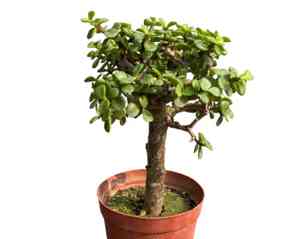
Elephant bush retains moisture within its foliage, enhancing its resistance to dry conditions.
2
Irrigate your Elephant bush bi-weekly to prevent excessive watering.
3
Dehydrated leaves signal insufficient watering, whereas yellowing leaves suggest too much moisture.
Understanding the Hydration Needs of Elephant Bush
Characteristics of Elephant Bush Influencing Water Requirements
The Elephant bush, known scientifically as Portulacaria afra, is a succulent plant native to South Africa. Its succulent nature allows it to store water in its leaves, making it naturally resilient to periods of drought. This characteristic significantly impacts its watering needs, as the plant is adapted to longer intervals between hydration. These water-storing leaves enable the plant to thrive in arid conditions, making it less demanding than many other indoor plants.
Indicators of Insufficient and Excessive Watering
Monitoring your plant's health is vital, as the Elephant bush exhibits clear signs when it is either under-hydrated or over-hydrated. Insufficient watering is typically identified by shriveled or dried-out foliage, indicating the plant is depleting its stored moisture. Conversely, excessive watering is revealed through yellowing leaves, which suggest the roots are struggling with surplus moisture and potentially decaying. If you observe any of these symptoms, it's crucial to modify your watering regimen accordingly.
Optimal Practices for Hydrating Elephant Bush
Determining the Appropriate Watering Schedule
Achieving the correct balance in watering your Elephant bush can ensure its peak health. A general guideline is to water your Elephant bush every 2 weeks, but this frequency can vary based on your local environment and the plant's conditions. For instance, during warmer months, you might need to irrigate slightly more often, while in cooler climates, the time between waterings can extend. A soil moisture meter can be incredibly useful to eliminate guesswork.
Methods of Water Application
When it comes to watering, how you apply water is just as important as how often. It's advisable to water your Elephant bush thoroughly but infrequently. Irrigate the soil directly until you observe water draining from the bottom of the potâensuring that the roots can access moisture as needed. It's best to avoid misting the leaves, as this can lead to fungal issues. Instead, ensure the pot has drainage holes to prevent water from accumulating at the bottom, causing root rot.
Resolving Common Watering Problems
Addressing Water Stress
Water stress can manifest through visible signs such as leaf drop, discoloration, or stunted growth. To combat water stress, always adhere to the fundamental rule of checking soil moisture before hydrating. If your plant is experiencing stress due to over-watering, allowing the soil to completely dry out before its next watering can help alleviate the issue. In contrast, consistent under-watering may require more regular checks and a slight increase in watering frequency.
Adjusting Watering for Seasonal Changes
The changing seasons present different challenges for hydrating your Elephant bush. During summer, the hot and dry conditions may necessitate more frequent watering. Conversely, as the weather cools in fall and winter, the plant's growth slows, and it requires much less water. Always adjust your watering practices with the seasonal fluctuations in mind, and remember that the Elephant bush prefers being slightly dry rather than overly wet.



