How Often Should You Water Your Aluminum plant?
1
Provide water to your Aluminum plant weekly to keep its leaves lively.
2
Allow the upper 2.5 cm (1 inch) of potting mix to become arid prior to re-watering.
3
Atmospheric moisture can influence your plant's hydration requirements, so always factor in the surroundings.
Grasping the Hydration Requirements of Aluminum Plants
The Significance of Correct Irrigation
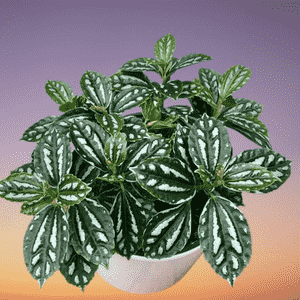
Appropriate watering is vital for the vitality and health of your Aluminum plant. This species, recognized for its striking green foliage with silvery patterns, flourishes in conditions where moisture levels are carefully managed. Watering influences the plant's nutrient absorption, root well-being, and overall development. Insufficient water can deprive the plant of essential nutrients, while excessive water can lead to root rot and other issues. To ensure your Aluminum plant thrives, comprehending and applying proper watering practices is essential.
Indicators of Under- and Over-Hydration
It's crucial to identify the signs of both insufficient and excessive watering to adjust your care routine promptly. Under-hydrated Aluminum plants often display shriveled, drooping leaves and dry soil. Conversely, over-hydrated plants may exhibit yellowing foliage, soft stems, and a moldy soil surface. By recognizing these symptoms early, you can restore your Aluminum plant to health with suitable watering modifications.
Effective Watering Strategies for Your Aluminum Plant
Optimal Methods for Watering Aluminum Plants
When it comes to hydrating your Aluminum plant, the approach matters. It's best to water the plant at its base, ensuring the soil is thoroughly saturated. Avoid getting water on the leaves to prevent fungal diseases. Use water at room temperature and pour slowly until you observe drainage from the pot's bottom, indicating the soil is well-hydrated.
When to Water: Understanding Soil Moisture Levels
Monitoring soil moisture is critical for determining the correct time to water your Aluminum plant. The most reliable technique is to check the top layer of soil. Insert your finger approximately 2.5 cm (1 inch) into the soil; if it feels dry, it's time to water. For a more precise measurement, consider utilizing a soil moisture meter.
Tools to Aid in Monitoring Watering Needs
Several instruments can assist in maintaining the ideal moisture level for your Aluminum plant. Soil moisture meters provide accurate readings of soil dampness, helping you avoid over- or under-watering. Self-watering containers are another excellent choice, offering a consistent supply of moisture. Humidity trays and pebble trays can also help maintain appropriate humidity levels, indirectly supporting the plant's hydration requirements.
Seasonal Adjustments for Watering Your Aluminum Plant
Watering During Active Growth Periods
During spring and summer, your Aluminum plant is in its primary growth phase. In these seasons, the plant may require more frequent watering, sometimes up to twice a week, depending on environmental conditions. Ensure the soil remains consistently moist but not waterlogged, promoting healthy and vigorous growth.
Reducing Water During Dormant Phases
In autumn and winter, the Aluminum plant enters a period of dormancy, slowing its growth. During these cooler months, it's vital to decrease watering frequency to prevent waterlogging. Allow the topsoil to dry out more between waterings, approximately every two weeks, to align with the plant's reduced metabolic demands.
Common Errors in Watering Aluminum Plants
Neglecting Environmental Variables
A frequent error is overlooking the environmental factors that influence watering needs. Elements like indoor humidity, light exposure, and temperature can significantly impact how often your Aluminum plant requires water. For instance, a plant positioned near a drafty window or under direct sunlight may need more frequent watering. Always consider these variables to ensure optimal care.
Frequent Small Amounts vs. Thorough Saturation
Another common mistake is providing the Aluminum plant with small amounts of water frequently instead of a complete soaking. Brief watering can lead to shallow root systems, making the plant more susceptible to stress. Instead, water deeply, allowing excess to drain out, fostering strong and healthy roots.



