How Often Should You Water Your New zealand flax?
1
New Zealand flax generally requires weekly watering, though this can fluctuate depending on environmental factors and time of year.
2
Assess soil dampness by pushing your finger approximately 2-3 cm (1 inch) into the earth or employ a moisture meter for precise readings.
3
To avert root decay, always guarantee proper soil drainage and prevent the plant from remaining in stagnant water.
Understanding the Hydration Requirements of New Zealand Flax
Factors Influencing Water Demands
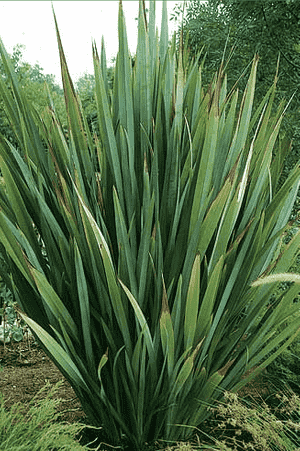
The hydration needs of New Zealand flax are shaped by several plant characteristics. Hailing from New Zealand, this perennial species flourishes in both coastal and mountainous environments, demonstrating considerable adaptability. Its elongated, sword-like foliage is adept at moisture conservation, allowing the plant to endure dry spells more effectively than many other species. Nevertheless, in hotter, arid climates, supplementary irrigation is typically essential. Soil composition is another crucial element – sandy soils desiccate faster and may necessitate more frequent watering compared to clay or loamy soils.
Seasonal Changes in Irrigation
Watering New Zealand flax follows a seasonal pattern. During its active growth phase, generally from spring to early autumn, the plant demands more frequent irrigation to support its development and vitality. Conversely, in the colder months of late autumn and winter, its growth rate significantly decelerates, and its water requirement diminishes. Comprehending these seasonal needs helps prevent both insufficient watering in summer and excessive watering in winter.
Indicators of Over- and Under-Hydration
Recognizing the signs of overwatering and underwatering is vital for maintaining the well-being of your New Zealand flax. Excessive watering can lead to root rot, evidenced by yellowing leaves and an overall unhealthy appearance. Conversely, insufficient watering may cause the leaves to become brown and brittle at the edges, a clear indication that your plant is not receiving adequate moisture. Ensure you achieve the correct balance to keep your plant thriving.
Effective Watering Practices for New Zealand Flax
Optimal Time of Day for Watering
The most suitable time to water New Zealand flax is early in the morning or late in the afternoon. This timing enables the plant to absorb water efficiently before the day's heat causes rapid evaporation. Morning irrigation also permits any surplus water on the leaves to evaporate, thereby lowering the risk of fungal diseases.
How to Water Effectively
Efficient watering involves thoroughly saturating the soil, ensuring that moisture penetrates to the deeper root zones. Avoid superficial watering as it encourages roots to develop near the soil surface, making the plant more vulnerable to drought. Utilize a hose or watering can with a gentle spray to prevent soil erosion and root exposure.
Adjusting Watering Based on Soil Type
Different soil types impact how often you should water your New Zealand flax. Sandy soils dry out quickly and require more frequent irrigation, whereas clay soils retain moisture for a longer duration, reducing the frequency of watering. Incorporate organic mulch to enhance water retention and soil structure, particularly in sandy soils.
Maintaining Ideal Moisture Levels
Utilizing Mulch for Soil Moisture Retention
Mulching is an excellent method to sustain optimal moisture levels for New Zealand flax. Apply a layer of organic mulch, such as bark chips or compost, around the plant's base. This aids in retaining soil moisture, regulating soil temperature, and suppressing weed growth, which competes for water.
Monitoring Soil Hydration
Regularly checking soil moisture is crucial for ensuring the health of your New Zealand flax. Insert your finger approximately 2-3 cm (1 inch) into the soil to assess its moisture level. If the soil feels dry at this depth, it's time to irrigate. Alternatively, employ a soil moisture meter for a more precise reading to guide your watering schedule.



