How Often Should You Water Your Garden phlox?
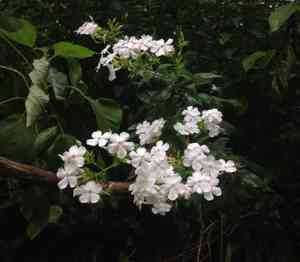
1
Garden phlox flourishes with a regular watering routine, roughly once per week.
2
Irrigating Garden phlox in the early hours of the day minimizes water loss and aids in averting fungal infections.
3
Excessive watering can be just as harmful as insufficient watering; routinely assess the soil's dampness.
Understanding the Hydration Requirements of Garden Phlox
The Significance of Sufficient Irrigation for Garden Phlox Vitality
Appropriate watering is essential for the well-being and vigor of your Garden phlox. This perennial, celebrated for its aromatic, vivid blossoms, necessitates a consistent water supply to flourish. Regular irrigation promotes robust root development, aids in nutrient uptake, and guarantees lush foliage and brilliant flowers. Insufficient watering can induce stress, rendering the plants vulnerable to ailments and pests.
Elements Influencing Water Demands
Several elements impact the amount of water your Garden phlox requires. Climate plays a crucial role; hot, arid conditions necessitate more frequent watering compared to cooler, damp periods. Soil composition is another vital consideration; sandy soils drain rapidly and might need more water, while clay soils retain moisture longer. Furthermore, the growth stage affects water needs; newly planted phlox demands more frequent watering to establish roots than mature plants.
Optimal Watering Methods for Garden Phlox
Best Time of Day for Irrigating Garden Phlox
Watering your Garden phlox in the early morning is ideal. Morning irrigation allows the plant to hydrate before the day's heat, minimizing water loss due to evaporation. It also helps foliage dry before nightfall, reducing the risk of fungal infections. Watering in the late evening can leave the leaves moist overnight, encouraging disease.
How to Properly Hydrate at the Root System
To thoroughly water your Garden phlox, concentrate on the root zone rather than the foliage. Utilizing a soaker hose or a watering can with a narrow spout ensures water penetrates the soil directly at the roots. This technique lessens water wastage and guarantees the plant accesses the moisture it needs most effectively. Deep watering encourages root growth deep into the soil, making the plant more drought-tolerant.
Adjusting Irrigation Frequency by Season
Modify the watering frequency based on seasonal shifts. During the active growth period, especially summer, weekly watering is typically necessary. However, during cooler months or dormancy, you may decrease irrigation. Monitor the weather and soil moisture to make precise adjustments. Ensuring that the soil remains moist but not waterlogged is key to maintaining plant health throughout the year.
Identifying Indicators of Excessive and Insufficient Watering
What Does Over-Hydrated Garden Phlox Appear Like?
Overwatering Garden phlox can lead to several issues, including root rot and fungal diseases. Signs of overwatering include yellowing leaves, drooping stems, and a generally saturated appearance. If the soil remains consistently wet, it may also emit an unpleasant odor. To remedy this problem, improve soil drainage and reduce watering frequency, ensuring the topsoil dries out between waterings.
Recognizing Under-Hydration Symptoms
Under-watered Garden phlox will display symptoms such as wilting, dry, brittle leaves, and stunted development. The plant may also produce fewer flowers, and those that do bloom may be smaller and less vibrant. Checking soil moisture regularly and adjusting watering practices can prevent these issues. Ensuring a deep, thorough watering each time helps the plant develop resilience against temporary dry spells.



