How Often Should You Water Your Heartleaf philodendron?
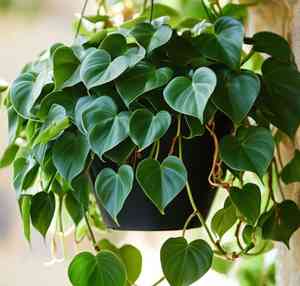
1
During its active growth phase, hydrate your Heartleaf philodendron weekly.
2
Before rewatering, confirm the upper 2-3 inches (5-7.6 cm) of substrate are arid.
3
Decrease how often you water in colder months, reflecting the plant's reduced metabolic rate.
Deciphering the Hydration Requirements of Heartleaf Philodendron
Elements Affecting Water Demand
The Heartleaf philodendron, a popular houseplant recognized for its vining habit and heart-shaped foliage, has hydration needs influenced by several variables. These include the plant's size, potting medium composition, ambient room temperature, and light exposure. Larger specimens with developed root systems demand more moisture, while smaller plants require less. Soil type significantly impacts water retention; a fast-draining mix prevents the accumulation of excess water, which could lead to root decay. Furthermore, the light intensity a plant receives correlates with its water usage, meaning those in brighter spots need more frequent irrigation. Grasping these aspects helps customize watering routines for a thriving Heartleaf philodendron.
Indicators of Insufficient and Excessive Watering
Identifying the cues of both underwatering and overwatering in a Heartleaf philodendron is fundamental for its well-being. Typical signs of inadequate moisture include drooping leaves, parched soil, and crisp, brown leaf edges. Conversely, excessive watering can manifest as yellowed foliage, soft stems, and a musty odor emanating from the soil, indicative of root rot. Observing these warning signs allows for appropriate adjustments to your watering regimen to meet your plant's specific requirements.
Optimal Hydration Practices for Heartleaf Philodendron
Watering Methods: Techniques and Pointers
When hydrating your Heartleaf philodendron, it's crucial to apply water thoroughly and uniformly. The most effective method involves watering until liquid begins to flow from the drainage holes at the pot's base. This action ensures the entire root system receives sufficient moisture. Using water that is at room temperature is also beneficial, as it prevents thermal shock to the plant. Always confirm that the top 2-3 inches (5-7.6 cm) of soil are dry before proceeding with the next watering session. Providing consistent dampness without saturating the roots is vital for the plant's vitality.
When to Irrigate: Establishing a Routine
To maintain a healthy Heartleaf philodendron, establishing a consistent watering schedule is essential. Typically, during the active growth period (spring and summer), watering once a week is usually adequate. As the plant experiences more vigorous growth, it will need regular hydration. However, always adapt the frequency based on your plant's individual requirements and environmental conditions. During colder months, you can reduce watering to every 10-14 days, as the plant's growth slows. This routine helps prevent overwatering and ensures the plant gets enough moisture.
Adapting Hydration Schedules Seasonally
Summer vs. Winter Watering Variations
Seasonal shifts significantly influence the watering demands of your Heartleaf philodendron. In summer, elevated temperatures and prolonged daylight hours lead to increased water evaporation and faster plant development, necessitating more frequent watering. Conversely, during winter, the plant enters a semi-dormant state with slower growth, reduced water uptake, and less evaporation. At this time, it is imperative to decrease watering frequency and allow the soil to dry out more completely between waterings to avert root rot.
Common Errors to Avoid When Watering Heartleaf Philodendron
Overwatering Dangers
One of the most frequent errors in Heartleaf philodendron care is overwatering. Symptoms such as yellowing leaves and root rot often stem from consistently soggy soil. To prevent this, always ensure your pot features drainage holes and utilize a potting mix that drains effectively. After watering, remove any standing water from the saucer to prevent prolonged contact with moisture. Remember, it's preferable to occasionally underwater than to persistently overwater, as plants tend to recover better from drought than from root rot.
Overlooking Humidity Requirements
Another prevalent mistake is neglecting the humidity needs of your Heartleaf philodendron. While the plant requires regular watering, it also thrives in a moist atmosphere. Indoor environments, particularly in winter, can become quite arid. To maintain appropriate humidity levels, consider regularly misting the foliage, using a pebble tray, or positioning a humidifier nearby. This additional effort helps prevent leaf edges from browning and keeps your plant lush and vibrant.



