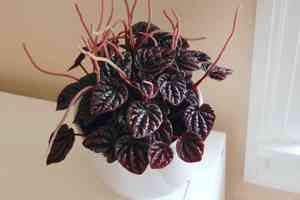
How Often Should You Water Your Emerald ripple peperomia?
1
Moisten Emerald ripple peperomia weekly, increasing frequency in warmer months and decreasing it in colder ones.
2
Assess soil dampness by probing an inch (2.5 cm) into the soil; if arid, hydration is needed.
3
Employ purified or collected rain to prevent mineral accumulation in the substrate.
Grasping the Hydration Needs of Emerald Ripple Peperomia
Elements Affecting Water Requirements
The hydration demands of Emerald ripple peperomia are shaped by several factors. Understanding these aspects ensures a flourishing plant. Firstly, consider the surroundings. Elevated humidity levels decrease the plant's need for moisture. Secondly, the potting medium is crucial; a well-draining soil mix is vital to prevent water accumulation. Temperature also matters; warmer climates or indoor settings with high temperatures typically necessitate more frequent watering. Lastly, the plant's size and developmental stage can dictate its water needs â larger, mature plants usually require more water compared to young sprouts.
Indicators of Excessive and Insufficient Watering
Recognizing the symptoms of over- and under-watering is essential for the care of Emerald ripple peperomia. Overwatering often results in yellowing foliage, root decay, and a generally unhealthy appearance. You might also observe mildew or mold on the soil surface. Conversely, underwatering causes leaves to become dry, brittle, and may lead to leaf drop. The plant may also wilt or seem lifeless. By routinely checking these signs, you can adjust your watering regimen to better suit the plant's requirements.
Optimal Practices for Watering Emerald Ripple Peperomia
Assessing Soil Moisture Prior to Watering
Before reaching for the watering vessel, itâs crucial to assess the soil's moisture content. Insert your finger approximately an inch (2.5 cm) into the soil. If it feels dry at this depth, itâs time to irrigate. You can also utilize a moisture meter for more precise readings. Ensuring the soil is adequately dry before the subsequent watering prevents overwatering, which can lead to root rot and other problems.
Ideal Watering Frequency
Typically, watering Emerald ripple peperomia once a week serves as a good general guideline. However, this schedule can fluctuate based on environmental conditions. During the summer months, you might find you need to water more often as the plant grows more actively and temperatures are higher. Conversely, in the winter, the plant's growth slows, and it may require less frequent watering. Always adjust based on the soil's moisture level and the plant's overall vitality.
Seasonal Adjustments to Watering Routines
Modifying your watering habits according to the seasons is critical for Emerald ripple peperomia. During the hot summer months, check the soil more frequently and provide water as needed to keep the plant hydrated. In contrast, during the winter, the plant enters a dormant phase where it needs less water. Reduce the frequency of watering and ensure the soil has ample time to dry out between waterings. By adapting to seasonal changes, you help maintain the plantâs well-being throughout the year.
Common Errors to Avoid When Watering Emerald Ripple Peperomia
Using the Incorrect Water Type
Many plant enthusiasts mistakenly use hard tap water, which often contains chlorine, fluoride, and other chemicals. These substances can accumulate in the soil and negatively impact Emerald ripple peperomia. Instead, opt for filtered water, rainwater, or allow tap water to sit out overnight to permit chlorine evaporation. This minor alteration can significantly enhance the plantâs health and vigor.
Improper Watering Techniques
Incorrect watering methods can lead to various issues. Always water the base of the plant to ensure the roots receive sufficient moisture. Avoid wetting the leaves as it can lead to fungal diseases. Additionally, make sure to water thoroughly but allow the pot to drain completely. Standing water can cause root rot. Using a pot with drainage holes is highly recommended to prevent waterlogging.
Advanced Advice for Optimal Growth
Utilization of Self-watering Containers
Self-watering containers can be a transformative solution for Emerald ripple peperomia. These pots enable the plant to absorb water as needed from a reservoir, reducing the risk of overwatering. They are particularly beneficial for those with busy schedules or novices still mastering watering techniques. Ensure the pot has a clear water level indicator so you can monitor and replenish the reservoir as required.
Regular Monitoring of Plant Health
Regularly inspecting Emerald ripple peperomia for signs of stress or poor health can help you detect any issues early. Look for changes in leaf color, texture, and overall vitality. Keep an eye on the soil condition, ensuring it remains well-draining and free from pests. By staying proactive in monitoring, you can adjust care practices promptly to maintain optimal growth and health.



