How Often Should You Water Your Watermelon peperomia?
1
Watermelon peperomia generally requires weekly watering, but always verify the soil's dampness beforehand.
2
Employ a container with drainage openings to avoid water buildup, which can cause root decay.
3
Hydrate your Watermelon peperomia in the A.M. so surplus moisture can dissipate throughout the day.
Grasping Watermelon Peperomia Hydration Requirements
The Essentials of Watermelon Peperomia Moisture
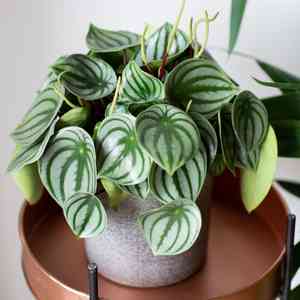
The Watermelon Peperomia is a charming indoor plant recognized for its vivid, watermelon-patterned leaves. Comprehending its hydration demands is vital for its vitality and lifespan. This plant flourishes in moderate dampness, mirroring its native environment. Unlike certain succulent varieties, the Watermelon Peperomia prefers its soil to retain a slight dampness, but it must not be waterlogged. The general guideline is to irrigate it weekly, though frequency can differ based on surroundings and season. Always check the top 2-3 centimeters (approximately one inch) of soil; if it feels arid, it's time to water.
Indicators of Excessive and Insufficient Watering
Achieving the ideal watering equilibrium can be challenging. Overwatering is a frequent problem and can lead to root decay, identified by yellowing foliage and a soft stem. Conversely, underwatering manifests as drooping leaves that might appear brittle or scorched. Observing your plant offers clear signals: a healthy Watermelon Peperomia will have firm, vibrant leaves. If you notice any alterations, it's time to modify your watering routine.
Optimal Practices for Watering Watermelon Peperomia
The Appropriate Time for Watering
Timing is paramount when it comes to hydrating your Watermelon Peperomia. Ideally, water your plant in the morning. This allows surplus moisture to evaporate throughout the day, lessening the risk of fungal infections and other moisture-related problems. In colder climates or seasons, the evaporation process slows, meaning you might need to water less often.
Selecting the Correct Water Volume
Determining the right amount of water involves understanding your plant's needs and its environment. Typically, use enough water until it drains from the holes at the pot's base. This ensures water has thoroughly saturated the soil. However, be wary of water pooling in the saucer; always empty it to prevent excessive moisture at the roots. For reference, this could be roughly 250-500 milliliters (about 1-2 cups) of water per pot, but always adjust based on soil assessments.
Tools to Assist with Watering
Various instruments can help ensure you're watering your Watermelon Peperomia correctly. A moisture meter is a useful device that provides precise readings of soil moisture levels, eliminating guesswork. Additionally, self-watering containers or watering globes can maintain consistent moisture, simplifying upkeep. Remember, while these tools can aid, nothing replaces the insights gained from regular observation and manual soil checks.
How to Rectify Watering Errors
Adjusting Your Watering Schedule
If you've been either over or underwatering, the initial step is to modify your routine. For underwatering, slightly increase the frequency and volume of water. Conversely, for overwatering, decrease watering frequency and ensure the plant's pot has adequate drainage. Observing the plant and soil will provide guidance; well-draining soil and a strategic watering schedule can quickly alleviate issues.
Reviving an Overwatered Watermelon Peperomia
If your Watermelon Peperomia has suffered from overwatering, do not despair. First, remove it from its container and examine the roots. Trim away any decayed or soft roots with clean shears. Repot the plant in fresh, well-draining soil and a pot with drainage holes. Water sparingly until the plant shows signs of recovery. Avoid placing the plant in direct sunlight during its recovery phase; indirect light is preferable.



