How Often Should You Water Your Ivy geranium?
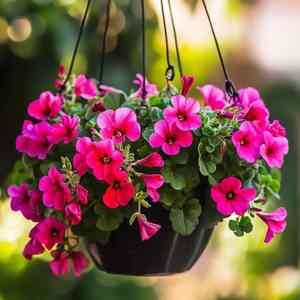
1
Ivy geranium generally needs watering weekly, though this can change depending on its surroundings.
2
During warmer summer periods, you might need to water your Ivy geranium more often to keep the soil from becoming parched.
3
Always irrigate Ivy geranium in the early morning or late afternoon to lessen water loss and encourage optimal uptake.
Understanding the Water Needs of Ivy geranium
Factors Influencing Water Requirements
Several elements impact the hydration demands of Ivy geranium. Firstly, temperature plays a key roleâelevated temperatures boost evaporation, necessitating more frequent irrigation. Secondly, the plantâs placement also affects its water needs; for instance, an Ivy geranium in direct sun will require more water than one in partial shade. Lastly, soil type greatly influences water retention. Well-draining soil lessens the risk of waterlogging and ensures proper root hydration.
Signs of Overwatering and Underwatering
Recognizing indicators of improper watering can protect your Ivy geranium from harm. Excessive watering can cause yellowing foliage, root decay, and a generally unhealthy look. Conversely, insufficient watering leads to wilting, browning leaves, and stunted development. Being attentive to these signs helps you adjust watering practices to maintain plant vitality.
Best Practices for Watering Ivy geranium
How to Determine the Right Amount of Water
The appropriate water volume for Ivy geranium depends on environmental conditions and the plantâs specific requirements. Generally, the soil should remain damp but not saturated. A good guideline is to water until you observe drainage from the pot's bottom. This ensures roots receive sufficient moisture without being submerged.
Seasonal Watering Adjustments
Modifying your watering schedule seasonally is vital for Ivy geranium. During the active growth period in spring and summer, the plant needs more frequent watering due to increased evaporation and growth. In autumn and winter, decrease frequency, keeping the soil slightly drier as the plant's growth rate slows.
Proper Techniques for Watering
Employing the correct watering method is crucial for your Ivy geranium's health. Water the plant's base instead of the leaves to prevent fungal issues. Deep watering is advised, ensuring moisture reaches the root zone. Always use room temperature water to avoid shocking the plant's roots with cold water.
Maintain Optimal Soil Moisture for Ivy geranium
Choosing the Right Soil Mix
Selecting the appropriate soil blend is essential for maintaining ideal moisture levels for Ivy geranium. A well-draining soil mix, such as a combination of potting soil, perlite, and sand, is perfect. This blend allows excess water to flow through easily, preventing root saturation while retaining enough moisture to keep the plant hydrated.
Using Mulch to Retain Moisture
Applying mulch can significantly aid in preserving soil moisture for Ivy geranium. Spread a layer of organic mulch, like wood chips or straw, around the plant's base. This not only helps retain moisture but also regulates soil temperature and improves root health.
What to Do If You Overwater Ivy geranium
Steps to Rescue Overwatered Ivy geranium
If you suspect your Ivy geranium has been overwatered, prompt action is crucial. First, remove the plant from its container and inspect the roots. Trim any roots that appear dark or soft, as these indicate root rot. Next, repot the plant in fresh, well-draining soil and reduce your watering frequency. Ensure the plant is placed in an area with good air circulation and indirect sunlight to aid recovery.



