How Often Should You Water Your Angel's-wings?
1
Provide water to your Angel's-wings bi-weekly in typical environments, modifying based on heat and moisture levels.
2
Prior to watering, always assess the soil's dampness to prevent excessive irrigation.
3
During colder months, Angel's-wings require less water; decrease watering to a monthly schedule.
Understanding the Hydration Needs of Angel's-wings
Pinpoint the Specific Moisture Requirements
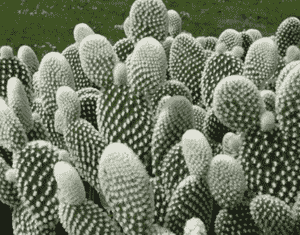
The Angel's-wings cactus enhances any indoor plant collection. Recognized for its distinctive, paddle-shaped foliage covered with harmless spines, this plant originates from arid regions, indicating its adaptation to dry environments. This cactus exhibits significant drought tolerance and demands less water than typical houseplants. It's crucial to water this cactus sparingly to replicate its natural habitat, thereby preventing root rot and other issues linked to excessive moisture.
Elements Influencing Water Demands
Several elements impact the water requirements of your Angel's-wings cactus. The plant's size, soil composition, pot dimensions, and environmental conditions all play vital roles. For example, during warmer months or in a dry indoor setting, the plant might need more frequent watering. Conversely, in cooler periods or more humid conditions, watering frequency can be decreased. This prevents the cactus from sitting in overly damp soil, which can harm its roots.
Optimal Watering Practices for Angel's-wings
Watering Schedule and Frequency
Regarding watering Angel's-wings, timing is paramount. Generally, watering every two weeks suffices for this cactus. However, it's essential to adjust your routine based on the plant's environment. During its active growth phaseâtypically spring and summerâmaintain the bi-weekly schedule. In autumn and winter, when the plant's growth slows, watering once a month should be adequate. Always ensure the soil is dry to the touch before re-watering.
Method for Assessing Soil Moisture Prior to Watering
Checking soil moisture is a straightforward yet effective method to prevent over or under-watering. Insert your finger approximately 2.5 cm (1 inch) into the soil; if it feels dry, it's time to water your cactus. Alternatively, a moisture meter can provide more precise readings. Remember, Angel's-wings prefers dry conditions, so it's best to wait until the soil is completely dry before your next watering session.
Common Watering Errors and Their Prevention
Overwatering Risks and Indicators
Overwatering is a frequent error that can be detrimental to your Angel's-wings. Signs of overwatering include yellowing leaves, a soft stem base, and moldy soil. Excessive moisture can lead to root rot, which is often fatal for cacti. To avoid these problems, ensure you're using well-draining soil and pots with drainage holes. Always wait until the soil is entirely dry before the subsequent watering.
Underwatering Symptoms and Remedies
While Angel's-wings can endure drought, it can still suffer from insufficient watering. Symptoms include wrinkled or shriveled pads and a noticeably paler color. If you observe these signs, slightly increase your watering frequency, ensuring you still allow the soil to dry out between waterings. Consistent observation will help you achieve the correct balance.
Seasonal Watering Advice for Angel's-wings
Adapting Watering Routines with the Seasons
Seasonal shifts significantly impact the watering requirements of your Angel's-wings. During spring and summer, when the plant is actively growing, maintain a bi-weekly watering schedule. As temperatures decrease in autumn and winter, reduce watering to once a month. These adjustments help replicate the cactus's natural growing conditions, fostering better health and longevity.
Winter Care for Angel's-wings
Winter presents unique challenges for cactus care. Lower temperatures and reduced daylight mean your Angel's-wings enters a dormant period. To prevent any potential water-related issues, decrease watering and ensure the plant is in a cool, bright location. Too much water during this time can result in root rot, making it crucial to minimize moisture.



