How Often Should You Water Your Boston fern?
1
Watering Schedule: Hydrate your Boston fern bi-weekly to sustain ideal soil dampness.
2
Moisture in Air: Elevated atmospheric moisture can lessen the necessity for frequent irrigation.
3
Container Drainage: Verify that plant containers possess adequate drainage openings to avoid excessive wetness and root decay.
Deciphering Boston Fern Hydration Requirements
Optimal Moisture Conditions for Boston Fern
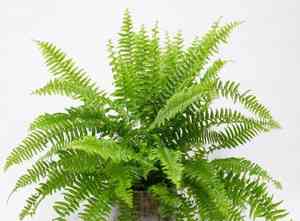
The Boston fern, recognized for its abundant, arching foliage, thrives in consistently damp yet well-drained substrate. Unlike certain indoor plants that endure dry spells, this species demands stable hydration to sustain its vibrant, verdant fronds. Maintaining continuous soil moisture ensures the fern's root system remains hydrated, fostering robust development. A reliable guideline is to irrigate when the soil surface feels slightly arid to the touch. Aim for uniformly moist, never saturated, soil.
Variables Impacting Water Demands
Various elements dictate the hydration needs of your Boston fern. Key considerations include the plant and pot dimensions, the specific soil mix employed, and the surrounding humidity and temperature. Larger ferns in smaller containers may necessitate more frequent irrigation due to reduced soil volume for moisture retention. Furthermore, if your home experiences low humidity, particularly in winter, your fern will require more regular hydration. Conversely, in a humid setting, less frequent watering might be sufficient.
Effective Watering Practices for Boston Fern
When to Hydrate: Recognizing Thirst Signals
It's essential to recognize the indicators that your Boston fern requires watering. The most apparent signs include drooping fronds or a dull, lifeless appearance. Another cue is when the soil's top layer becomes arid. Regularly probing the soil moisture with your finger can help determine if it's time to water. Additionally, observe the fronds; if they begin to curl or yellow, it could signal either dehydration or overwatering.
How to Hydrate: Techniques for Ideal Moisture
Properly watering your Boston fern involves more than simply pouring water onto the soil. Begin by thoroughly saturating the soil until water starts to exit the bottom. This ensures the root system receives adequate moisture. If you're utilizing a tray or saucer beneath the pot, ensure it's emptied after drainage to prevent roots from sitting in water. You can also mist the fronds with water to elevate humidity, especially in arid conditions. Use tepid water to avoid shocking the plant's roots.
Avoiding Common Irrigation Errors
A frequent error in Boston fern care is excessive watering. While the plant cherishes moisture, too much water can induce root rot. Always verify that the pot possesses adequate drainage. Another mistake is employing extremely cold or hot water, which can stress the plant. Always opt for room temperature water. Furthermore, avoid allowing the soil to completely desiccate between waterings, as this can lead to stress and harm to the fern.
Seasonal Watering Adjustments for Boston Fern
Adapting Watering for Warm and Cold Seasons
During the summer, elevated temperatures and increased light levels mean your Boston fern might dry out more rapidly, requiring more frequent watering. In contrast, during winter, central heating can dry the air, but the plant's growth slows, so you might find it needs less frequent irrigation. Consistently checking soil moisture and adjusting your watering routine accordingly is vital for year-round plant vitality.
Humidity's Impact on Watering Frequency
Humidity significantly influences the watering demands of Boston fern. These plants flourish in moist environments, and higher humidity levels can reduce the need for frequent watering. Employing a humidity tray or a humidifier can create an optimal environment for the fern, thereby lessening irrigation frequency. Conversely, in dry climates or during winter when indoor air tends to be drier, you'll need to water more often to compensate for increased moisture loss.



