How Often Should You Water Your Common swamp pitcher-plant?
1
The Common swamp pitcher-plant flourishes when watered bi-weekly, maintaining consistently damp but not oversaturated soil.
2
Water quality is crucial! Utilize only distilled or rainwater for your Common swamp pitcher-plant to avoid the accumulation of minerals.
3
Tailor your watering frequency according to the seasons, providing less water during inactive periods and more during active growth.
Understanding the Common swamp pitcher-plant's Water Needs
The role of water in pitcher plant health
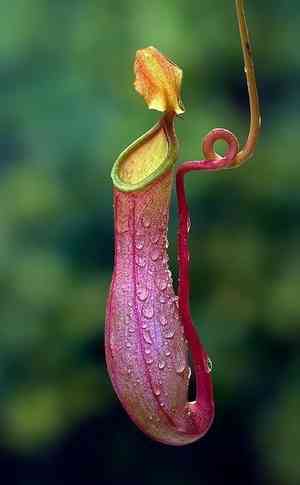
Moisture is vital for the overall well-being of your Common swamp pitcher-plant. This unique carnivorous species originates from marshy habitats and heavily relies on hydration for its survival. Consistent watering encourages the formation of its distinctive pitcher structures, which are essential for catching and digesting insects. Without sufficient water, these pitchers can dehydrate, impeding the plant's capacity to absorb necessary nutrients from its prey. Therefore, regular irrigation is crucial to simulate its natural environment and ensure vigorous growth and vitality.
How environmental factors affect water requirements
Environmental elements significantly influence the hydration needs of your Common swamp pitcher-plant. In its native boggy surroundings, elevated humidity and steady moisture levels are a given. When cultivated indoors or in an unfamiliar setting, it's essential to replicate these conditions as closely as possible. Temperature shifts, light exposure, and air circulation all play roles in determining how often you should irrigate your plant. For example, during warmer periods or in drier conditions, your plant may require increased watering to prevent desiccation. Conversely, cooler and more humid environments might necessitate less frequent watering to avoid over-saturation.
Key Signs of Improper Watering
Signs of overwatering in the Common swamp pitcher-plant
Excessive watering is a frequent error that can harm your Common swamp pitcher-plant. Indicators of overwatering include yellowed foliage, a soggy growing medium, and a general decrease in plant vitality. If waterlogged, the plant’s root system can experience rot, leading to stunted development and, eventually, plant demise. To prevent this, ensure the container has adequate drainage and allow the top layer of soil to dry slightly between watering sessions. Monitoring your plant for these symptoms can help you adjust your irrigation practices in time to avert damage.
Symptoms of underwatering and how to address them
Insufficient watering can also pose difficulties for your Common swamp pitcher-plant. Symptoms of inadequate hydration include drooping pitchers, dry substrate, and browning leaf margins. In severe instances, the plant may cease producing pitchers altogether. To rectify this, establish a consistent irrigation routine, ensuring the soil remains continuously moist. During particularly dry spells or if ambient humidity is low, you might need to increase the watering frequency. Furthermore, misting the plant occasionally can help maintain the required moisture levels in the air.
Best Watering Practices for the Common swamp pitcher-plant
Ideal watering schedule and techniques
For optimal development, irrigate your Common swamp pitcher-plant twice per week, adjusting as necessary based on ambient conditions. Utilize a watering can with a fine nozzle, allowing the water to seep gently into the base rather than saturating the entire plant. It's best to water in the morning to provide the plant ample time to absorb moisture before evening temperatures drop. Regularly checking the soil's moisture level can help you ensure that it stays consistently damp but not waterlogged.
Choosing the right water type and quality
The kind of water you use for your Common swamp pitcher-plant is vital. Tap water often contains minerals and chemicals that can build up in the soil and harm your plant. Instead, opt for distilled water or collect rainwater, which more closely replicates the natural conditions this plant thrives in. If neither is available, consider using filtered water, but avoid softened water as it contains high salt concentrations. Maintaining high water quality ensures that your plant remains healthy and vibrant.
Seasonal Adjustments in Watering
Adjusting your watering routine during the growing and dormant seasons
Your Common swamp pitcher-plant has varying hydration needs throughout its active growth and dormancy phases. During the growing season, typically from spring through summer, irrigate the plant more frequently to support its period of vigorous development. In contrast, during the dormant season, usually in the winter months, reduce the watering frequency to prevent root rot and encourage a period of rest. Observing the plant's natural cycles ensures that you modify your care accordingly, promoting a healthy lifecycle.
Tips for humidity and other environmental adjustments
Maintaining appropriate humidity levels is essential for the well-being of your Common swamp pitcher-plant. During drier periods or in arid indoor environments, enhance humidity by misting the plant or placing the pot on a tray filled with water and pebbles. This practice creates a moist microenvironment as the water evaporates. Additionally, if your indoor air is very dry, consider utilizing a humidifier to maintain conditions that support your plant's requirements. Consistent environmental modifications contribute significantly to the health and vigor of your Common swamp pitcher-plant.



