How Often Should You Water Your Wild daffodil?
1
Irrigate your Wild daffodil every one to two weeks for optimal health.
2
Consistently assess soil dampness prior to watering to prevent saturation.
3
Modify irrigation schedule according to seasonal changes and ambient factors.
Deciphering the Hydration Requirements of Wild daffodil
The Importance of Sufficient Moisture
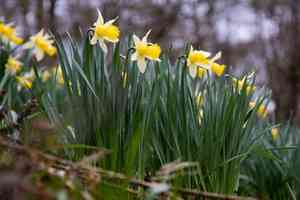
For Wild daffodil, ensuring adequate moisture is vital for their overall vitality and blooming success. Proper water delivery guarantees these splendid flowers absorb essential nutrients, fostering vivid and robust blossoms. Conversely, insufficient hydration can hinder growth and impede the plant's capacity to produce its distinctive yellow blooms.
Variables Affecting Water Requirements
Various elements can influence the water demands of Wild daffodil. These encompass soil composition, temperature, sun exposure, and the plant's developmental stage. For example, sandy soils necessitate more frequent irrigation than clay soils due to their quicker drainage. Similarly, warmer climates might require more regular watering to offset elevated evaporation rates. Grasping these factors helps in devising a watering regimen tailored specifically to your Wild daffodil's needs.
Optimal Watering Practices for Wild daffodil
Selecting the Appropriate Watering Period
Timing is paramount when hydrating your Wild daffodil. The most favorable times to water these plants are early morning or late afternoon. Irrigating during these cooler parts of the day minimizes moisture loss through evaporation, ensuring more water reaches the root system. Avoid watering during peak heat, as this can lead to rapid evaporation and potential plant stress.
Techniques for Efficient Hydration
Regarding watering methods, it's crucial to thoroughly moisten the soil without causing saturation. Employ a soaker hose or a watering can with a gentle spray to direct water to the plant's base. This approach prevents water from splashing onto the foliage, which can encourage fungal diseases. Allow the soil to dry out slightly between watering sessions to maintain ideal moisture levels.
Common Watering Errors to Avoid
Risks and Consequences of Excessive Watering
Overwatering is a frequent mistake that can result in root rot and other fungal problems. Surplus water depletes soil oxygen, suffocating roots and ultimately causing plant demise. To prevent overwatering, always assess soil moisture by inserting your finger approximately an inch (2.5 cm) into the soil. If it feels dry at that depth, it's time to irrigate.
Impact of Insufficient Watering
Underwatering, conversely, can also be harmful. When the soil remains excessively dry, the Wild daffodil may fail to bloom, and its leaves can yellow and wilt. Consistently check the plant for signs of dehydration, such as drooping or browning leaf tips. If these symptoms appear, adjust your watering schedule accordingly.
Adapting Your Watering Schedule Seasonally
Seasonal Changes in Watering Needs
Watering requirements for Wild daffodil can fluctuate with the seasons. During the active growth period in spring and early summer, the plants demand more frequent irrigation. Conversely, during their dormant phase in late summer and fall, reduce the watering frequency. Being attentive to these seasonal shifts ensures your Wild daffodil remain healthy throughout the year.
Monitoring Soil Moisture Levels
Regularly checking soil moisture levels is essential for effectively modifying your watering routine. Utilize a soil moisture meter or simply manually inspect the soil by digging a small hole to gauge its moisture content. Maintaining the correct moisture equilibrium, neither too wet nor too dry, helps the plant flourish under varying seasonal conditions.



