How Often Should You Water Your Red mulberry?
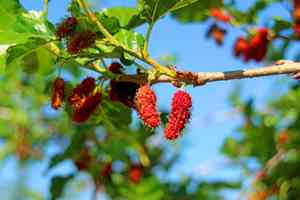
1
Provide water to your Red mulberry two times per week to keep the soil adequately moist.
2
Applying mulch around the trunk assists in preserving soil dampness and lessens the need for frequent irrigation.
3
The early part of the day is ideal for watering your Red mulberry, enabling its leaves to dry before nightfall.
Grasping the Hydration Needs of Red Mulberry
Optimal Irrigation Schedule
The Red mulberry, prized for its sweet and juicy fruits, flourishes with appropriate moisture. Irrigating twice weekly is generally advised, ensuring the substrate stays consistently damp but not waterlogged. Close observation of your Red mulberry will help you modify watering routines as required. This regimen helps prevent both insufficient and excessive watering, which can harm the plant's vitality.
Indicators of Insufficient Watering
Under-watering your Red mulberry can lead to clear signs of distress. Watch for drooping foliage, dry or brittle branches, and reduced berry yield. The soil might appear parched or cracked, lacking the moisture necessary to sustain the plant. If these symptoms appear, it's crucial to increase irrigation frequency and ensure the soil is uniformly moist.
Indicators of Excessive Watering
Just as under-watering is detrimental, over-watering can also cause significant problems. Signs include yellowing leaves, root decay, and soft or mushy areas near the tree's base. Excessively wet soil can suffocate roots, leading to poor nutrient absorption and overall plant vigor. To prevent this, regularly check soil moisture using a finger or a moisture meter.
Optimal Watering Practices for Red Mulberry
Selecting the Right Time of Day
Timing is crucial when hydrating your Red mulberry. The best period to water is early in the morning. This allows the soil to fully absorb the moisture, and any surplus to evaporate throughout the day, lowering the risk of fungal diseases. Evening watering is less ideal as it might leave the foliage damp overnight, promoting mold and mildew growth.
Effective Techniques for Deep Irrigation
Deep watering involves thoroughly saturating the soil, reaching deeper root zones. This method encourages roots to grow deeper into the earth, making the plant more resistant to drought. For optimal results, water slowly and steadily, using a soaker hose or drip irrigation system. Ensure even watering around the tree's base, covering the entire root area.
Adjusting Watering Based on Seasons
Seasonal modifications are essential to meet the changing water demands of your Red mulberry. During summer, elevated temperatures and evaporation rates mean you might need to water more often. Conversely, in colder months, when the tree is dormant, you can decrease watering. Monitor weather patterns, as rainy periods naturally lessen the need for additional irrigation.
Resolving Common Watering Issues
Managing Water Stress
Water stress can manifest in various ways, whether from under-watering or over-watering. Symptoms, such as wilting, yellowing leaves, or stunted development, indicate the plant is not receiving optimal water levels. Adjust your watering habits by ensuring consistent, adequate moisture, and consider adding mulch to help retain soil moisture.
Addressing Poor Drainage
Inadequate drainage can lead to root rot and other water-related problems. If water collects around the base of your Red mulberry, it suggests the soil does not drain effectively. To enhance drainage, consider amending the soil with organic material, such as compost or sand. Elevate planting beds if necessary, or install drainage systems to divert excess water away from the roots.
Modifying Watering for Various Soil Types
Different soil types necessitate customized watering approaches. Sandy soils drain rapidly and may require more frequent irrigation, while clay soils retain water longer and need less frequent, but deeper watering. Silty and loamy soils are generally ideal for Red mulberry, offering a balanced mix of drainage and moisture retention. Evaluate your soil type and adjust your watering strategy accordingly.



