How Often Should You Water Your Bitter melon?
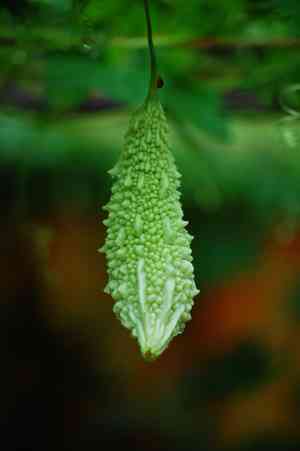
1
Irrigate your Bitter melon plants bi-weekly to sustain ideal soil hydration.
2
Refrain from employing chilled water; instead, utilize tepid water to avert root trauma.
3
Assess soil dampness levels often with a moisture sensor or by tactile examination of the soil.
Understanding Bitter melon Hydration Requirements
Elements Influencing Water Needs
The hydration demands of Bitter melon are shaped by various elements such as climate conditions, earth composition, and plant dimensions. In arid and hot environments, more frequent irrigation might be essential, whereas in cooler, damp conditions, less frequent watering is needed. The soil type also plays a vital role; sandy soils drain rapidly and necessitate more frequent watering while clay soils hold moisture longer. Furthermore, larger and more developed plants possess extensive root systems that may demand more water compared to younger plants.
Indicators of Excessive and Insufficient Watering
Recognizing the signs of overwatering and underwatering can assist you in maintaining robust Bitter melon plants. Symptoms of overwatering include yellowing foliage, a musty odor from the soil, and the presence of mold or fungi. Conversely, under-hydrated plants will exhibit signs like wilting leaves, brown edges, and dry, compacted soil. Observing these indicators will help you modify your watering habits appropriately.
Optimal Practices for Irrigating Bitter melon
Seasonal Watering Modifications
Modifying your watering regimen according to the season is crucial for Bitter melon care. During the warm summer months, the plants may require more frequent irrigation, sometimes even every other day, depending on the temperature and wind conditions. Conversely, in the colder months, you can decrease the frequency to once a week as the water evaporation rate is slower and the plant's growth rate diminishes.
Selecting the Appropriate Water Type
For peak growth, it's important to utilize the correct type of water. Tap water is typically adequate, but if your tap water contains high levels of salts or chlorine, consider using filtered or rainwater. Avoid using cold water directly from the tap as it can shock the plant's root system; instead, use water at ambient temperature.
Watering Methods for Superior Growth
Effective watering techniques can ensure your Bitter melon plants flourish. Water the base of the plant directly to guarantee the roots receive sufficient moisture. Refrain from wetting the leaves as this can encourage fungal development. Water early in the morning to allow excess moisture to evaporate throughout the day, reducing the risk of fungal infections. Additionally, applying mulch around the base can help retain soil moisture and lessen evaporation.
How to Effectively Gauge Soil Moisture
Instruments for Measuring Soil Hydration
Various instruments can assist you in effectively monitoring the soil moisture levels. A soil moisture meter is a convenient tool that provides an accurate reading of the soil's water content. This device is simple to operate; insert it into the soil near the plant's roots and read the moisture level displayed. Furthermore, some advanced meters can provide readings on soil pH and light levels, offering multiple benefits in one device.
Visual and Manual Soil Assessments
Aside from using tools, you can also perform visual and manual checks to understand your soil's moisture. Dig approximately 5-8 cm (2-3 inches) into the soil with your finger. If the soil feels dry at this depth, it's time to water. Conversely, if it feels wet, postpone watering for a day or two. The soil should feel slightly damp but not saturated for Bitter melon to thrive.
Common Errors to Avoid When Watering Bitter melon
Disregarding Weather and Climatic Conditions
A frequent error is failing to adjust watering schedules based on weather and climatic conditions. For instance, during rainy seasons, watering twice a week might be unnecessary and could lead to overwatering. Conversely, during dry spells, you might need to increase watering frequency. Always consider the prevailing weather conditions and modify your watering routine accordingly.
Neglecting to Adjust Watering Based on Plant Development Stages
Another mistake is not adapting watering practices based on the plant's growth phases. Young seedlings require less water more frequently, while mature plants may need more water but less often. Flowering and fruiting stages often demand more consistent moisture. Understanding the plant's needs at different developmental stages can lead to healthier and more productive Bitter melon plants.



