How Often Should You Water Your Shame plant?
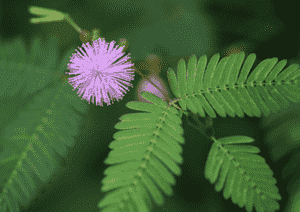
1
Moisten your Shame plant bi-weekly to sustain ideal hydration levels.
2
A primary indicator of excessive watering for your Shame plant is foliage discoloration to yellow.
3
Employ purified or collected rain to prevent mineral accumulation in your Shame plant's substrate.
Understanding the Mimosa pudica's Hydration Requirements
The Significance of Correct Irrigation for Mimosa pudica
Properly hydrating your Mimosa pudica is vital for its development and overall vitality. The Mimosa pudica, or Shame plant, is recognized for its delicate leaves that fold upon contact, a captivating trait that also reflects its fragile nature. Ensuring it receives the appropriate amount of water helps sustain its characteristic reaction and fosters robust plant growth. Adequate watering keeps the substrate consistently damp but not waterlogged, providing an optimal environment for its root system.
Indicators of Insufficient and Excessive Watering
Identifying the signs of both under- and over-watering in your Mimosa pudica is crucial. Insufficient watering frequently leads to drooping foliage and a generally wilted appearance. Over time, the plant's growth may be stunted. Conversely, excessive watering can cause leaves to yellow and might result in root decay, a condition brought on by saturated soil. Always assess soil moisture before irrigating to prevent these common issues.
How Frequently to Hydrate Your Mimosa pudica
General Recommendations for Watering Frequency
For a thriving Mimosa pudica, irrigate it twice weekly. This ensures the plant receives ample moisture without becoming overly saturated. However, always consider prevailing conditions, such as atmospheric humidity and soil type. If the weather is particularly arid, you might need to slightly increase watering frequency, whereas during cooler, more humid periods, you might need to decrease it. Adhere to a consistent schedule and adjust based on the plant's requirements.
Modifying Your Watering Schedule Seasonally
The hydration demands of your Mimosa pudica can fluctuate with the changing seasons. During summer months, elevated temperatures and increased light exposure may heighten the plant's water needs. Conversely, in winter, when growth decelerates, the plant may require less frequent irrigation. Regularly monitor soil moisture levels and adjust your watering regimen accordingly. Strive for a balance where the soil remains moist but not excessively wet.
Optimal Practices for Hydrating Mimosa pudica
Selecting the Appropriate Water and Tools
The type of water you utilize can significantly impact your Mimosa pudica's well-being. Purified water or collected rainwater is ideal, as tap water often contains minerals and chemicals that can accumulate in the soil and harm the plant over time. Employ a watering can with a fine nozzle to evenly distribute water without causing soil erosion. Additionally, ensure your pot has drainage openings to prevent water from pooling at the bottom, which can lead to root rot.
Detailed Guide to Hydrating Mimosa pudica
To effectively hydrate your Mimosa pudica, follow these steps: First, assess soil moisture by inserting your finger approximately one inch (2.5 cm) deep into the substrate. If it feels dry, it's time to water. Next, thoroughly irrigate the plant until you observe water exiting from the pot's base. Ensure all surplus water drains away to prevent root rot. Finally, return the plant to its location, making sure it receives bright, indirect illumination.



