How Often Should You Water Your Prayer plant?
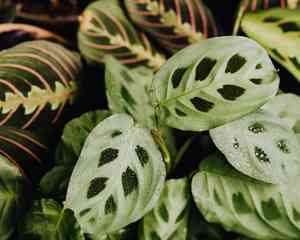
1
To achieve prime development, confirm your Prayer plant's substrate stays uniformly damp, yet never oversaturated.
2
Throughout its active growth period (spring and summer), the Prayer plant might need more regular hydration compared to its resting phase (fall and winter).
3
Supplying water to your Prayer plant on a weekly basis is typically enough, but always inspect the upper 1-2 inches (2.5-5 cm) of soil for aridness prior to irrigation.
Deciphering Your Prayer Plant's Hydration Requirements
The Crucial Role of Adequate Moisture
Correct irrigation is vital for the vigor and well-being of your Prayer plant. This tropical species flourishes in damp surroundings, replicating its natural habitat. Regular watering helps sustain the plant's rich foliage and vivid hues. Providing the right amount of water aids in nutrient uptake, which is essential for the plant's development and general health. Both excessive and insufficient watering can lead to negative outcomes, so understanding its needs can prevent many typical issues.
Indicators of Excessive and Insufficient Watering
It's important to identify the symptoms of improper watering to take corrective measures. Over-watering can result in root decay, appearing as yellowed leaves, a soft base, or an unpleasant odor. Under-watering, conversely, is characterized by brown, brittle leaf edges and drooping. By recognizing these signs early, you can modify your watering habits to better suit your Prayer plant's requirements.
Optimal Strategies for Irrigating Prayer Plants
When to Hydrate Your Plant
Watering your Prayer plant weekly is generally a good guideline. However, the frequency should be adjusted based on climatic conditions, season, and indoor environment. During warmer months or settings, you might need to water more often, while in cooler or less humid conditions, less frequent watering may be necessary. Always inspect the top 1-2 inches (2.5-5 cm) of soil; if dry, it's time to water.
How to Water Proficiently
Efficient watering involves several key actions. First, use water at room temperature to avoid shocking the plant's root system. Second, water thoroughly until it drains from the pot's bottom, ensuring uniform soil moisture. Prevent the plant from sitting in standing water, as this can lead to root rot. Elevating the pot with a saucer or drainage tray can help manage surplus water. For best outcomes, aim to water in the morning to allow the plant to absorb moisture throughout the day.
Adjusting Watering Routines to Seasons and Environment
Seasonal Watering Modifications
Your Prayer plant's hydration needs will shift with the seasons. During its active growth period—spring and summer—the plant will require more water due to increased light and warmer temperatures. In contrast, during autumn and winter when the plant's growth slows, reducing watering frequency to every 10-14 days can prevent over-watering. Always monitor the soil's moisture to guide your watering regimen.
Environmental Factors Affecting Water Demands
Elements such as humidity, light exposure, and indoor temperatures also influence how often you should water your Prayer plant. High humidity levels can decrease the need for frequent watering, while low humidity might necessitate more frequent irrigation. Similarly, plants in brighter, warmer spots will dry out quicker than those in cooler, shaded areas. Adjust your watering schedule based on these environmental cues for optimal plant health.
Common Queries on Prayer Plant Watering
Is Tap Water Suitable for My Prayer Plant?
Yes, tap water can be used for your Prayer plant, but it's important to be mindful of its quality. Allow tap water to sit out overnight to permit chlorine to dissipate, as elevated chlorine levels can harm the plant. Alternatively, use filtered or distilled water if your tap water is very hard or contains high concentrations of fluoride or chlorine.
How Can I Tell if My Prayer Plant Needs Water?
To ascertain if your Prayer plant requires watering, check the soil's dampness. Insert your finger about 1-2 inches (2.5-5 cm) into the soil. If it feels dry, it's time to irrigate. Additionally, observe the plant's leaves; drooping or curling can signify that the plant is thirsty. Regularly checking these indicators will help you maintain the correct watering schedule.



