How Often Should You Water Your Mango tree?
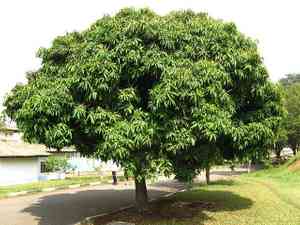
1
Provide your Mango tree with weekly irrigation during its active growth phase to sustain ideal soil hydration.
2
Always irrigate in the early hours of the day or late in the evening to reduce water loss through evaporation.
3
Form a circular depression around the tree's trunk to guarantee uniform water delivery to its root system.
Grasping the Hydration Requirements of Mango Trees
Elements Affecting Water Demands
The hydration needs of your Mango tree can differ considerably based on several elements. Soil composition plays a vital role, as sandy soils will drain more rapidly and necessitate more frequent irrigation compared to clay soils that hold moisture. Climate is another significant factor; trees in hotter, arid regions will require more water than those in cooler climates. The tree's age and size also influence its water requirements, with younger trees needing more frequent watering to establish their root system.
Seasonal Irrigation Guidelines
Watering practices should change with the seasons. During the warmer months of spring and summer, a weekly watering schedule is optimal, ensuring the soil remains consistently moist but not saturated. In autumn and winter, decrease the frequency as the tree's water demands lessen; bi-weekly or even monthly irrigation might suffice, depending on rainfall and soil moisture levels.
Indicators of Sufficient Hydration
Recognizing the signs of a well-hydrated Mango tree is crucial for robust growth. Look for vibrant, green foliage and consistent new development. The leaves should appear firm and lustrous, not wilted or discolored. Additionally, healthy flower and fruit production are strong indicators of proper watering. Regularly check the soil moisture by inserting a finger about 5-10 cm (2-4 inches) into the soil; it should feel damp to the touch but not waterlogged.
Optimal Practices for Irrigating Mango Trees
Selecting the Appropriate Time for Watering
Timing is critical when it comes to irrigating your Mango tree. The best time to water is early in the morning or late in the afternoon. This minimizes water loss due to evaporation and allows the tree to absorb moisture efficiently before the day's heat. Avoid watering during the hottest part of the day as this can cause rapid evaporation and potential water stress on the tree.
Irrigation Techniques
Various methods can be employed to water your Mango tree effectively. Drip irrigation systems or soaker hoses are excellent choices, as they deliver water directly to the root zone, minimizing waste. You can also water manually using a hose, creating a basin around the tree base to help ensure the water reaches the roots evenly. Deep watering is preferable over frequent shallow watering, promoting a strong and deep root system.
Modifying the Watering Schedule
Adjusting your watering schedule according to the Mango tree's needs and environmental conditions is essential. During periods of heavy rainfall, reduce watering to prevent waterlogging. Conversely, during dry spells or heatwaves, you may need to increase the frequency. Monitor the tree and soil regularly; if the leaves start to wilt or show signs of distress, it may be a signal to adjust your watering routine.
Resolving Common Irrigation Problems
Addressing Excessive Watering
Over-watering can be detrimental to your Mango tree, leading to root rot and other issues. Symptoms include yellowing leaves, a lack of new growth, and a foul odor from the soil. To address this, reduce the frequency of watering and improve soil drainage by incorporating organic matter. Raised beds or creating sloped planting sites can also help excess water to run off.
Indicators of Insufficient Watering
Under-watering can be just as harmful as over-watering. Look for signs such as dry and brittle leaves, slow growth, and premature fruit drop. To remedy under-watering, gradually increase the amount of water provided, ensuring it reaches the root zone effectively. Mulching around the base can help retain soil moisture and reduce the rate of evaporation.
Correcting Watering Errors
To correct watering mistakes, it is important first to identify the underlying cause. If you've been over-watering, allow the soil to dry out before resuming a more balanced watering schedule. For under-watering issues, gradually increase water inputs and adopt a consistent routine. Mulching and soil amendments can improve water retention and overall soil health, providing more stable conditions for your Mango tree.



