How Often Should You Water Your European crab apple?
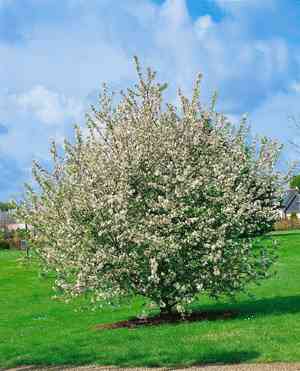
1
An mature European crab apple tree requires irrigation twice weekly, contingent on ground conditions.
2
The most efficient time for watering is during the early morning or late evening when temperatures are lower.
3
Apply mulch to aid in soil moisture retention and lessen the need for frequent irrigation.
Understanding the Hydration Requirements of European crab apple
Evaluating Soil Dampness for Optimal Hydration
For robust development, proper soil moisture is essential. The European crab apple flourishes in damp yet well-drained soil. To gauge soil moisture, you can use a moisture meter or the finger methodâsimply insert your finger 5-10 cm (~2-4 inches) into the earth. If the soil feels arid, it's time to irrigate. Appropriate soil moisture supports the tree's overall vitality, boosting its resistance to pests and diseases.
Seasonal Irrigation Considerations
The water demands for European crab apple trees fluctuate with the seasons. During the active growth period (spring and summer), these trees require more frequent watering due to elevated temperatures and increased transpiration. Conversely, less water is needed in autumn and winter as the treeâs growth decelerates. Adjust your watering regimen accordingly, increasing during warmer months to twice weekly and decreasing as temperatures fall. This seasonal modification helps prevent overwatering while ensuring the tree remains adequately hydrated.
Indicators of Excessive and Insufficient Watering
It's vital to recognize the signs of overwatering and underwatering in your European crab apple tree. Overwatering can lead to root rot, evidenced by yellowing foliage and a lack of new growth. Conversely, underwatering often results in wilting, browning leaf edges, and leaf drop. Monitoring these indicators helps you adjust your watering practices promptly, ensuring your tree remains healthy and vibrant.
Practical Irrigation Methods for European crab apple
Selecting the Appropriate Irrigation System
Choosing a suitable irrigation system simplifies the watering process for your European crab apple tree. Drip irrigation systems are highly effective as they deliver water directly to the root zone, minimizing evaporation and runoff. For those hand-watering, a soaker hose can also be a good option. Ensuring consistent and deep watering helps promote a robust root system.
Optimal Times of Day for Watering European crab apple
Timing your watering can significantly impact the health of your European crab apple tree. The best times to water are early in the morning or late in the evening. This timing allows the water to penetrate the soil effectively without being lost to evaporation. Additionally, it gives the tree plenty of time to absorb the water before the heat of the day.
Mulching for Moisture Retention
Mulching is an excellent technique for retaining soil moisture around your European crab apple tree. Spread a 5-10 cm (~2-4 inch) layer of mulch around the base of the tree, ensuring it doesnât touch the trunk to prevent rot. Organic mulches like wood chips or straw are preferable as they decompose and improve soil quality over time. Mulch helps maintain consistent soil moisture, reducing the frequency of watering and protecting the tree roots from temperature fluctuations.
Common Errors in Watering European crab apple
Preventing Water Stress During Dry Spells
Water stress during drought conditions can severely impact your European crab apple tree. During dry spells, deeply water the tree once a week to ensure the roots stay hydrated. Avoid shallow watering, as it only wets the soil surface, encouraging root growth near the top, making the tree more susceptible to drought stress.
Managing Watering in Humid Environments
In humid climates, European crab apple trees are prone to certain diseases that thrive in wet conditions. To prevent issues like mildew, water the tree at the base rather than from above, keeping foliage dry. Additionally, spacing the watering schedule and ensuring well-drained soil can help manage moisture levels and reduce the risk of disease.



