How Often Should You Water Your Star magnolia?
1
Star magnolia trees generally require watering twice weekly, though this can fluctuate with climate and ground conditions.
2
Before irrigating, always assess soil dampness by probing about 2 inches (5 cm) deep with your finger; if arid, watering is due.
3
Applying mulch can greatly assist in preserving soil hydration, possibly lessening the necessity for regular watering.
Understanding the Hydration Needs of Star Magnolia
The Significance of Proper Moisture for Star Magnolia
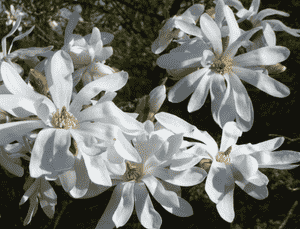
Adequate moisture is vital for the healthy development of Star magnolia. This plant, known for its striking star-shaped white blooms, requires consistent moisture levels for optimal root and flower growth. Correct watering ensures the tree can absorb essential nutrients, maintain cellular functions, and support vigorous development. Neglecting this critical aspect can lead to stunted growth, reduced flowering, and increased susceptibility to diseases.
Indicators of Excessive and Insufficient Watering
Recognizing the signs of overwatering and underwatering is crucial for maintaining your Star magnolia's health. Overwatering can cause root rot, appearing as yellowing leaves and a general wilting look. Underwatering, conversely, may lead to leaves curling, drying out, or dropping prematurely. Both extremes can impair the tree's well-being, making it essential to find a balance in your watering routine.
Optimal Practices for Watering Star Magnolia
How to Determine the Correct Water Volume
Determining the appropriate water volume for your Star magnolia involves considering several factors, including soil type, weather conditions, and tree maturity. A good guideline is to water deeply and thoroughly, allowing the moisture to reach the root zone. This might mean applying approximately 10-12 liters (2.5-3 gallons) of water per session. Consistency is key, so ensure even water distribution around the tree's base.
Seasonal Adjustments to Watering Schedule
Modifying your watering schedule based on the season is vital for your Star magnolia's health. During spring and summer, when the tree is actively growing and temperatures are higher, you may need to increase watering frequency. Conversely, in autumn and winter, when the tree's growth slows, you can reduce irrigation. Always consider rainfall and climate; during periods of heavy rain, natural water supply may be sufficient.
Advanced Tips for Star Magnolia Hydration
Utilizing Mulch for Moisture Retention
Mulching is an advanced technique that can significantly aid in moisture retention for your Star magnolia. By applying a 5-7 cm (2-3 inch) layer of organic mulch around the tree's base, you can reduce water evaporation, maintain soil temperature, and suppress weed growth. This method not only conserves moisture but also enhances soil fertility as the mulch decomposes.
Monitoring Soil Moisture for Ideal Hydration
Regularly monitoring soil moisture is crucial for ensuring your Star magnolia receives optimal hydration. Using a soil moisture meter or simply inserting your finger 5 cm (2 inches) into the soil can help you gauge the moisture level. The soil should be moist but not waterlogged. Adjust your watering schedule based on these readings to maintain ideal soil conditions.
Common Errors to Avoid When Watering Star Magnolia
Overcompensating During Dry Periods
A common mistake is overcompensating during dry spells. While providing adequate water is essential, excessive watering can be just as detrimental as underwatering. During extended dry periods, increase watering frequency but avoid creating waterlogged conditions. Instead, focus on deep, infrequent watering to encourage deep root growth.
Ignoring Water Quality
Neglecting water quality is another frequent error. The quality of water you use can significantly impact your Star magnolia's health. Avoid using water that is overly chlorinated or sourced from contaminated supplies. Rainwater or distilled water are excellent alternatives. Additionally, ensure the water is at ambient temperature to prevent shocking the roots.



