How Often Should You Water Your Tatarian honeysuckle?
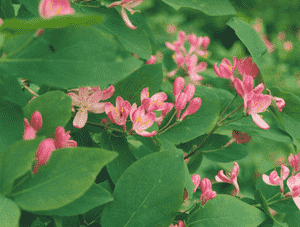
1
Tatarian honeysuckle thrives in consistently damp, but not saturated, soil. Assess the top 1-2 inches (2.5-5 cm) of soil before providing water.
2
In warm summer periods, Tatarian honeysuckle might need irrigation as often as thrice weekly.
3
Lessen the frequency of watering in fall and winter to avoid root decay.
Grasping the Hydration Requirements of Tatarian Honeysuckle
Elements Affecting Water Demands
Comprehending the hydration needs of Tatarian honeysuckle involves recognizing several key elements. These encompass the plant's maturity, substrate type, and environmental circumstances. Younger specimens require more frequent irrigation to establish a robust root system, while mature plants may tolerate less frequent watering. The soil composition also significantly influences water requirements; sandy substrates drain faster and need more water, whereas clayey soils retain moisture for extended periods. Finally, environmental factors such as sun exposure, temperature, and wind all impact how rapidly soil moisture evaporates, thereby affecting watering frequency.
Indicators of Excessive Watering
Over-irrigating Tatarian honeysuckle can lead to detrimental effects like root rot and diminished oxygen flow to the roots. Signs of overwatering include yellowing foliage, wilting despite wet soil, and an unpleasant odor emanating from the substrate. To prevent overwatering, ensure the soil drains effectively and the container or planting area possesses adequate drainage apertures. Regularly assess the soil's moisture level before adding more water.
Indicators of Insufficient Watering
Under-irrigating Tatarian honeysuckle can equally stress the plant. Look for signs such as drooping leaves, browning margins, and dry, crumbly soil. The plant may also exhibit stunted development and flower less often. To ensure Tatarian honeysuckle remains vigorous, monitor the soil and adjust watering practices, particularly during arid spells or when the plant is exposed to intense sunlight.
Optimal Watering Strategies for Tatarian Honeysuckle
When to Hydrate Across Seasons
Watering demands for Tatarian honeysuckle vary with the seasons. In spring and summer, during active growth, maintain a routine of irrigating twice weekly, ensuring the soil remains moist but not waterlogged. During hot and dry periods, it might be necessary to increase this to three times a week. Conversely, in autumn and winter, the growth rate decelerates, and the plant requires less water. Watering once a week or even bi-weekly could suffice, reducing the risk of waterlogging and root decay.
Appropriate Watering Methods
Employing suitable watering techniques enhances the vitality of Tatarian honeysuckle. Drip irrigation or soaker hoses deliver water directly to the root zone, minimizing evaporation and ensuring deep water penetration. Manual watering with a gentle sprinkler nozzle can also be effective, allowing for controlled water application. It's best to water in the early morning or late evening to reduce evaporation. Always aim to hydrate the base of the plant rather than the foliage to prevent fungal ailments.
Adjusting Hydration Based on Climatic Conditions
Adapting watering practices to weather conditions is vital for Tatarian honeysuckle. During prolonged dry spells or heatwaves, increase irrigation frequency, ensuring the soil stays consistently moist. If there's substantial rainfall, reduce watering to prevent oversaturation. Breezy conditions can also dry out the soil more rapidly, necessitating more frequent checks and adjustments. Regularly monitor the weather forecast and modify your watering routine accordingly.
Maintaining Ideal Soil Humidity
Assessing Soil Moisture Prior to Watering
A straightforward method to check soil moisture is by inserting your finger approximately 2.5-5 cm (1-2 inches) into the soil. If it feels arid at this depth, it's time to irrigate. For a more precise measurement, soil moisture meters are available and can provide an accurate reading. Consistently checking soil moisture aids in establishing a watering regimen that ensures the soil remains at the optimal humidity level for Tatarian honeysuckle.
Preferred Soil Types for Tatarian Honeysuckle
Tatarian honeysuckle thrives best in well-draining soil types. Loamy soil, a balanced blend of sand, silt, and clay, is ideal as it retains moisture yet drains effectively. Incorporating organic matter such as compost can improve soil structure and water retention for sandy soils or enhance drainage for clay soils. The correct soil type significantly contributes to maintaining consistent moisture levels essential for the plant's development.
Mulching for Moisture Retention
Applying a layer of mulch around Tatarian honeysuckle helps preserve soil moisture, regulate temperature, and reduce weed competition. Organic mulches like bark chips, straw, or compost improve soil quality as they decompose. Spread a 5-7.5 cm (2-3 inches) thick layer around the plant base, being careful to keep it from touching the stems to prevent rot. Mulching not only conserves moisture but also enhances the overall health and aesthetic appeal of your garden.



