How Often Should You Water Your Wavyleaf sea lavender?
1
Provide moisture to your Wavyleaf sea lavender weekly to sustain its well-being and strength.
2
Refrain from using chilled water; ambient temperature is optimal for Wavyleaf sea lavender.
3
Lessen irrigation frequency during inactive winter periods to avert root decay.
Grasping the Hydration Requirements of Wavyleaf sea lavender
Wavyleaf sea lavender's Watering-Related Traits
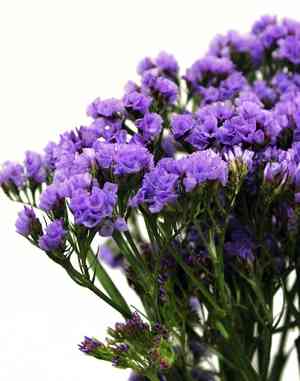
The Wavyleaf sea lavender, a charming plant recognized for its appealing wavy foliage and delicate blooms, flourishes in coastal regions where it naturally adapts to sandy, well-drained substrates. These plants are drought-resistant and have evolved to thrive with minimal moisture, making them relatively simple to maintain. Their root systems efficiently draw water from deep within the earth, contributing to their resilience in arid conditions.
Indicators of Excessive and Insufficient Watering
Over-irrigation is a frequent error that can lead to root decay and other problems. Signs of overwatering in Wavyleaf sea lavender include yellowing foliage, wilting, and a saturated growing medium. Conversely, under-irrigation can cause the leaves to droop, become brittle, and turn brown. Verifying soil moisture before watering is essential to avoid both extremes.
Optimal Watering Practices for Wavyleaf sea lavender
Selecting the Appropriate Water Type
When hydrating Wavyleaf sea lavender, quality is important. Use filtered or collected rainwater if feasible, as tap water may contain chemicals like chlorine that could be detrimental over time. Always use water at ambient temperature (approximately 20°C or 68°F) to prevent shocking the plantâs root system with cold water.
Ideal Time to Hydrate Wavyleaf sea lavender
Watering your Wavyleaf sea lavender in the morning allows the plant to absorb moisture before the day's heat. This timing also permits any surplus water to evaporate, lessening the risk of fungal infections. Avoid watering late in the evening as cooler nighttime temperatures can encourage mold development.
Watering Frequency Throughout the Year
The general guideline is to water Wavyleaf sea lavender weekly. However, this frequency can change with the season. During the hot summer months, you might need to water more often if the soil dries out quickly. Conversely, in the dormant winter period, reduce watering to every two weeks to prevent root rot.
Further Advice for a Healthy Wavyleaf sea lavender
Soil Considerations for Optimal Moisture Retention
Choosing the correct soil is crucial for ideal water retention. A well-draining, sandy loam mixture works best for Wavyleaf sea lavender. Incorporating organic matter such as compost can improve the soil's water-holding capacity while still allowing excess water to drain, preventing waterlogging.
Utilizing Mulch to Aid Moisture Retention
Applying a layer of mulch around your Wavyleaf sea lavender can significantly enhance moisture retention in the soil. Organic mulches like straw, wood chips, or compost not only conserve soil moisture but also help regulate soil temperature and suppress weeds, fostering a healthier growing environment.
Monitoring Instruments and Methods
Employing tools such as a soil moisture meter can provide precise readings of your Wavyleaf sea lavenderâs hydration requirements. Additionally, the finger test â inserting your finger about an inch (2.5 cm) into the soil â can help determine if itâs time to water. If the soil feels dry at this depth, it's time to irrigate.



