How Often Should You Water Your Easter lily?
1
During its flowering period, the Easter lily needs more regular irrigation, roughly once per week.
2
Easter lilies favor water that is at ambient temperature over cold tap water.
3
Assess soil dampness by pushing your finger approximately 2 inches (5 centimeters) into the earth. If it's arid, watering is due.
Grasping the Hydration Requirements of Easter Lily
Recognize Indicators of Adequate Moisture
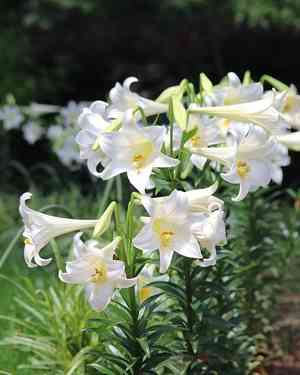
Understanding the signs of a properly hydrated Easter lily is vital for its well-being and development. A sufficiently watered Easter lily will exhibit vibrant green foliage and firm, upright stems. Its blossoms should appear fresh and open, devoid of wilting or discoloration. By observing these visual cues, you can ensure your Easter lily receives the correct amount of water.
Consequences of Excessive and Insufficient Watering
It's crucial to comprehend the effects of both overwatering and underwatering. Overwatering can lead to root decay, often fatal for Easter lilies. Symptoms of overwatering include yellowing leaves, saturated soil, and an unpleasant odor from the potting mix. Conversely, underwatering results in shriveled, dry leaves and can stunt the plant's growth. Achieving equilibrium is key to maintaining a healthy Easter lily.
Optimal Practices for Irrigating Easter Lily
Recommended Watering Frequency
An ideal watering regimen for Easter lily is once every 1-2 weeks, contingent on environmental conditions. During warmer periods, you may need to water more often, while in cooler months, less frequent irrigation is necessary. Ensure the top 2-3 inches (5-7.5 centimeters) of soil are dry before re-watering to prevent waterlogging.
Seasonal Modifications
The watering demands of Easter lily vary with the seasons. During its spring blooming phase, the plant might require more frequent watering, approximately weekly. In the dormant winter months, you can reduce watering to once every two weeks or even less, as the plant consumes less water then. Always check soil moisture before altering your watering habits.
Selecting Appropriate Water and Implements
Suitable Water Type for Easter Lily
The kind of water you use for your Easter lily can significantly impact it. It's best to use water at room temperature. Cold water can shock the roots, while excessively warm water can encourage bacterial proliferation. If possible, use rainwater or distilled water, as they lack chlorine and other chemicals found in tap water.
Essential Watering Equipment
Possessing the correct tools makes irrigating your Easter lily more effective. Employing a watering can with a slender spout allows you to direct water precisely to the plant's base, minimizing the risk of water splashing onto leaves, which can foster fungal growth. A moisture meter can also aid in accurately monitoring soil moisture levels.
Monitoring Soil Moisture for Optimal Hydration
Method for Checking Soil Moisture
Checking soil moisture is straightforward and can prevent both over- and under-watering. Insert your finger about 2 inches (5 centimeters) into the soil. If it feels dry at that depth, it's time to water. Alternatively, you can use a moisture meter for a more precise measurement. Properly monitored soil moisture ensures your Easter lily flourishes.
Adjusting Watering Based on Soil Composition
The soil type can influence how often you need to water your Easter lily. Well-draining soil will necessitate more frequent watering as it dries out faster. In contrast, dense, clay-like soil retains moisture longer, thus requiring less frequent irrigation. Always ensure the potting soil has good drainage properties to avert root rot.



