How Often Should You Water Your Japanese privet?
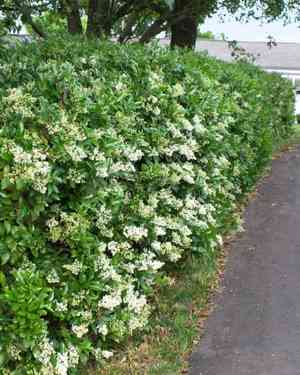
1
Provide your Japanese privet with water weekly for best development.
2
Check soil dampness by pushing your finger approximately 5 centimeters (2 inches) into the earth.
3
Irrigating in the early AM or late PM improves water uptake and lessens evaporation.
Grasping the Hydration Needs of Japanese Privet
Standard Water Demands for Peak Development
The Japanese privet is a tough and adaptable plant, recognized for its appealing leaves and durability. For optimal growth, this plant prefers consistently damp soil but cannot endure waterlogged conditions. Irrigating once weekly is typically sufficient for the Japanese privet, supplying it with the necessary moisture without risking root decay. This regimen ensures the plant's roots access vital hydration, fostering strong growth and a vibrant look.
Elements Affecting Watering Schedule
Various elements can impact how frequently you should water your Japanese privet. These include the plant's maturity, the soil composition, current climatic conditions, and whether the plant is containerized or in the ground. Younger plants or those in sandy substrates might need more frequent irrigation. Furthermore, during especially hot or breezy weather, extra watering may be required to offset increased evaporation.
Optimal Methods for Irrigating Your Japanese Privet
When to Irrigate: Knowing the Ideal Time of Day
Timing is vital when hydrating your Japanese privet. Early morning or late afternoon is the prime time to water, as this allows the plant to absorb moisture before the day's heat causes evaporation. Watering at these periods also aids in preventing the proliferation of fungal ailments, which can flourish in damp conditions remaining from late-day irrigation.
How to Irrigate: Strategies for Effective Hydration
Effective watering strategies are crucial for sustaining the vitality of your Japanese privet. Employ a soaker hose or drip irrigation system to deliver water directly to the root area, minimizing waste. Water slowly and thoroughly, ensuring the soil is moist to a depth of roughly 30 centimeters (12 inches). This promotes deep root development and helps the plant endure dry periods.
Observing Soil Moisture Levels
Periodically checking soil moisture levels is a fundamental aspect of proper irrigation. You can achieve this by inserting your finger approximately 5 centimeters (2 inches) into the soil. If it feels dry at this depth, it's time to water. Alternatively, utilize a moisture meter for a precise reading. Monitoring helps avert both excessive and insufficient watering, maintaining your Japanese privet's health.



