How Often Should You Water Your Dense blazing star?
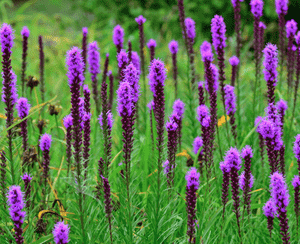
1
Provide moisture to your Dense blazing star weekly throughout its active growth period for peak vitality.
2
Thorough irrigation encourages more robust root growth.
3
Modify how often you water according to the time of year and the soil composition.
Grasping Dense blazing star Hydration Needs
Identifying Indicators of Sufficient Hydration
Understanding when your Dense blazing star has received enough water is vital for its well-being. Look for vibrant, green foliage and erect stems as signs of adequate moisture. Conversely, drooping leaves and wilting can signal either too much or too little water. Periodically check the soil moisture approximately 2-3 inches (5-7.5 cm) below the surface; it should be slightly damp but not saturated.
The Impact of Soil Composition on Watering
Soil composition significantly influences how frequently you should water your Dense blazing star. Sandy soils drain rapidly and may necessitate more frequent irrigation, whereas clay or loamy soils retain moisture longer, allowing for less frequent watering. Always consider your soil's drainage capability to prevent waterlogging and root decay.
Seasonal Changes in Water Requirements
The Dense blazing star's water needs vary with the seasons. During its active growth period, typically from spring to fall, it requires more frequent wateringâaround once a week. In contrast, during the dormant winter months, you can reduce watering as the plant's hydration demands decrease.
Optimal Watering Methods for Dense blazing star
Deep Watering Technique Explained
The deep watering method involves thoroughly saturating the soil to ensure water penetrates to the root zone, about 6-8 inches (15-20 cm) deep. This approach fosters robust root development and enhances overall plant resilience. Water slowly to allow the soil to absorb moisture without runoff.
Watering Frequency During Active Growth
During periods of active growth, typically in spring and summer, water your Dense blazing star once per week. This frequency ensures the plant receives ample hydration to support blooming and foliage development. Always monitor the weather and adjust as neededâhot, dry spells may necessitate more frequent watering.
Adjusting Watering Based on Climatic Conditions
Climatic conditions are crucial in determining watering requirements. During periods of heavy precipitation, reduce or skip watering to prevent waterlogging. Conversely, in hot, arid weather, increase the frequency and volume of water to ensure the plant remains hydrated. Practical use of tools like rain gauges and soil moisture meters can aid in making informed decisions.
Common Watering Errors to Avoid with Dense blazing star
Excessive Watering and Its Consequences
Overwatering can be detrimental to your Dense blazing star. Too much water can lead to root rot, a severe condition that can kill the plant. Signs of overwatering include yellowing leaves, soft stems, and an unpleasant odor from the soil. Always ensure proper drainage to prevent these issues.
Indicators of Insufficient Watering
Underwatering can be equally damaging. Symptoms include wilting, dry soil, and browning leaf edges. It's crucial to maintain a consistent watering schedule and check soil moisture regularly to prevent dehydration.
Tips for Effective Moisture Management
Effective moisture management involves consistent monitoring of soil conditions and adapting your watering practices accordingly. Using mulch around the base of your Dense blazing star helps retain soil moisture and reduces evaporation. Incorporating organic matter into the soil can also enhance its water-holding capacity.
Advanced Watering Advice for Enthusiastic Gardeners
Utilizing Mulch for Moisture Regulation
Mulching is a beneficial practice for moisture control in garden beds. Applying a layer of organic mulch, such as straw, wood chips, or bark, around your Dense blazing star helps keep the soil cool and moist. This practice also suppresses weeds and enriches the soil with nutrients as the mulch decomposes.
Implementing Drip Irrigation Systems
Drip irrigation systems offer an efficient way to water your Dense blazing star. These systems deliver water directly to the plant's base, minimizing evaporation and ensuring water reaches the root zone. They are particularly useful in larger garden setups and can be automated for convenience.
Precisely Monitoring Soil Moisture Levels
Accurate monitoring of soil moisture levels is essential for optimal watering. Using tools like soil moisture meters can provide a precise reading of the soilâs hydration status. Simple visual and tactile assessmentsâlike feeling the soil or observing signs of plant stressâalso help gauge when and how much to water.



