How Often Should You Water Your Texas ranger?
1
Hydrate your Texas ranger weekly to maintain moisture levels without excessive saturation.
2
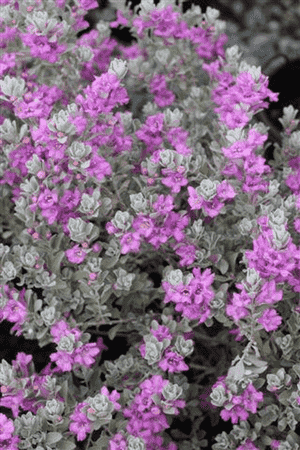
A properly watered Texas ranger exhibits healthy leaves and bright blooms, with consistently damp, but not soggy, soil.
3
Employ a soil moisture sensor to precisely determine when your Texas ranger requires irrigation.
Understanding the Hydration Requirements of Texas ranger
Indicators of Adequate Moisture in Texas ranger
A properly hydrated Texas ranger displays vibrant, silver-green leaves and occasionally produces small, tubular blooms. You'll observe that its foliage is firm to the touch and lacks dry or brittle edges. The growing medium should feel slightly moist approximately 5-6 centimeters (2-3 inches) beneath the surface. Consistent dampness enables the plant to flourish, leading to a robust and healthy appearance.
Excessive and Insufficient Watering: What to Observe
It's vital to achieve a balance between overwatering and underwatering your Texas ranger. Symptoms of overwatering include yellowing leaves, root decay, and a generally droopy look. Conversely, insufficient watering will manifest as dry, brittle foliage and stunted development. To avoid these issues, ensure a consistent watering routine and regularly check the soil's moisture levels.
Optimal Watering Practices for Texas ranger
How to Ascertain When to Irrigate Texas ranger
Determining the right time to water your Texas ranger can be accomplished with a few straightforward steps. Insert your finger into the soil about 5-6 centimeters (2-3 inches) deep; if it feels dry at this depth, it's time to provide water. Alternatively, employ a soil moisture meter for more precise readings. Monitoring the plant's condition weekly helps maintain appropriate hydration levels.
Preferred Watering Methods and Implements
For best watering, utilize a watering can with a long spout to reach the plant's base without excessively wetting the leaves. This aids in preventing fungal diseases and mildew. Aim to water the soil directly and uniformly, allowing surplus water to drain from the bottomâensuring your Texas ranger is in well-draining soil is crucial. Another beneficial tool is a drip irrigation system, which delivers a steady, controlled watering approach.
Seasonal Watering Adjustments for Texas ranger
Modifying Watering in Warm and Cold Periods
The Texas ranger requires different watering strategies depending on the season. During hot summer months, the plant may need more frequent irrigation, possibly every 4-5 days, as higher temperatures increase evaporation. Conversely, in cooler winter months, reducing the watering frequency to every 10-14 days helps accommodate the lower evaporation rates and cooler temperatures. Always adjust based on the specific climatic conditions and the plant's requirements.
Rainfall and Its Influence on Watering Schedule
Natural precipitation is a significant factor in adjusting your watering routine. During periods of heavy rainfall, you might need to cease manual watering entirely to prevent waterlogging. Use a rain gauge to monitor local precipitation levels; if an area receives 2.5 centimeters (about 1 inch) or more, it typically means no additional watering is necessary for that week. Always ensure the soil drains efficiently to prevent root rot problems caused by excessive moisture.



