How Often Should You Water Your Silver squill?
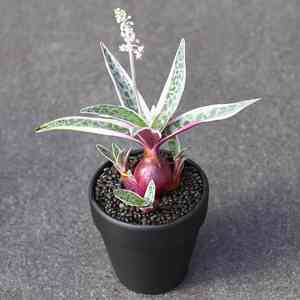
1
Silver squill thrives in less humid conditions, making it ideal for individuals prone to neglecting irrigation.
2
Adjust the watering schedule for your Silver squill to once every 7-14 days, based on surrounding temperature and moisture levels.
3
Always guarantee proper soil drainage to avoid root decay, which can be lethal for Silver squill.
Grasping the Hydration Requirements of Silver Squill
Examining the Natural Environment
The Silver squill, also known as Ledebouria socialis, is a robust and appealing plant originating from South Africa. Its native habitat is typically arid, with infrequent precipitation, meaning it has evolved to flourish in low-moisture conditions. By replicating this setting at home, you can ensure your Silver squill stays vigorous. This adaptation to dry climates makes the plant suitable for individuals who may not adhere to a strict watering routine.
Indicators of Excessive and Insufficient Watering
Recognizing the signs of overwatering and underwatering is vital for the proper care of your Silver squill. Plants receiving too much water often display yellowing foliage and a soft texture at the base, potentially leading to root decay. Conversely, Silver squill plants lacking sufficient water will exhibit withered or drooping leaves. To maintain equilibrium, always assess the soil's moisture level before deciding on the subsequent watering session.
Optimal Watering Practices for Your Silver Squill
Selecting the Appropriate Watering Frequency
To determine the correct watering schedule for your Silver squill, aim to irrigate every 1-2 weeks. This frequency strikes a balance between ensuring the plant receives adequate hydration and allowing the soil to dry out sufficiently between waterings. During warmer periods, you might find it necessary to water more often, while cooler months could extend the interval between waterings.
Seasonal Adjustments to Irrigation
Seasonal variations can significantly impact your Silver squill's watering needs. In summer, higher temperatures and increased sunlight can cause the soil to dry out more quickly, necessitating more frequent irrigation. Conversely, during winter months, the evaporation rate decreases, and the plant enters a slower growth phase. Consequently, watering can be reduced. Always modify your routine based on the season and the specific requirements of your plant.
Further Advice for Optimal Hydration
Utilizing the Correct Water Type
The kind of water you use can influence your Silver squill's health. While tap water is generally acceptable, it's best to let it sit for 24 hours to allow chlorine to dissipate. Alternatively, using rainwater or distilled water can be a healthier choice, as it minimizes the accumulation of detrimental minerals in the soil. This practice aids in maintaining the plantâs natural pH level, fostering healthier growth.
Monitoring Soil Moisture Levels
Monitoring soil moisture is critical for effective watering of your Silver squill. Using your finger or a small moisture meter, check the top 2.5-5 cm (1-2 inches) of the soil for dryness. If the soil feels dry to this depth, itâs time to water. This straightforward yet effective method prevents both overwatering and underwatering, ensuring that your plant remains in optimal growing conditions.
Common Errors to Avoid When Watering Silver Squill
Preventing Excess Water in the Container
A frequent error is allowing surplus water to collect in the pot. This situation can lead to waterlogging and root rot, which is detrimental to your Silver squill's health. Always ensure your pot has drainage holes, and discard any extra water that gathers in the saucer beneath the pot.
Neglecting the Container and Drainage System
Another mistake to avoid is overlooking the pot and its drainage system. Over time, salts and minerals can build up in the soil, affecting drainage and water retention. Regularly inspect the drainage holes to ensure they're not obstructed, and consider repotting your Silver squill every couple of years with fresh soil to maintain peak health.



