How Often Should You Water Your Common lantana?
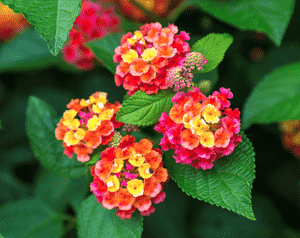
1
Common lantana generally requires weekly irrigation, but always assess the soil beforehand!
2
Employ a moisture sensor to accurately determine soil water content.
3
The optimal period to hydrate Common lantana is in the early morning or late afternoon to minimize water loss through evaporation.
Grasping the Hydration Requirements of Common lantana
What Volume of Water Does Common lantana Require?
Regarding hydrating your Common lantana, knowing its water needs is crucial. Typically, these vibrant shrubs aren't particular about frequent watering. They prefer moderate moisture but can endure some dryness, making them quite low-maintenance. Generally, providing about 2.5 centimeters (1 inch) of water weekly is adequate. However, always ensure the soil drains well to prevent waterlogging, which can harm the plant's roots.
Elements Affecting Water Demands
Several elements can influence the water volume your Common lantana needs. First, climate is a major factorâa hotter, arid climate boosts the plant's water demand, while cooler, humid conditions might lessen it. Soil composition is another element; sandy soils drain quickly and may require more frequent watering than clayey soils, which hold moisture longer. Additionally, the plant's growth stage matters; young plants generally need more water than mature ones. By observing these conditions, you can effectively customize your watering schedule to your Common lantana's requirements.
Optimal Watering Methods for Common lantana
Best Period of Day to Water Common lantana
Timing is paramount when hydrating your Common lantana. The ideal time to water is either early morning or late afternoon. Watering during these periods minimizes loss to evaporation, ensuring more water reaches the roots where it's most needed. Avoid watering during the day's peak heat, as water can evaporate rapidly and leaves may scorch.
Suggested Watering Approaches
When watering Common lantana, aim to irrigate the soil directly, not the foliage. This method prevents leaves from remaining wet for extended periods, which can lead to fungal diseases. Use a soaker hose or a watering can with a nozzle directed at the plant's base for effective hydration. Be consistent, but adjust the amount based on changing weather and your plant's growth phase.
How to Assess Soil Moisture Before Hydrating
Before grabbing the watering can, it's wise to check soil moisture levels. An easy technique is the 'finger test'âinsert your finger about 2.5 to 5 centimeters (1 to 2 inches) into the soil. If it feels dry at this depth, it's time to water. For a more precise reading, consider using a soil moisture meter, which can provide a clear indication of the soil's hydration. This way, you avoid both excessive and insufficient watering of your Common lantana.
Preventing Common Watering Errors with Common lantana
Indicators of Overwatering and How to Resolve It
Overwatering is a frequent error that can jeopardize your Common lantana's health. Signs of overwatering include yellowing leaves, a soft stem, and a wilted appearance despite wet soil. If you suspect overwatering, decrease the frequency and volume of water provided. Ensure the soil drains well and consider repotting if necessary, using a soil mix that allows better drainage.
Indicators of Underwatering and Recovery Advice
Conversely, underwatering can also have harmful effects. Signs of underwatering include dry, brittle leaves and brown leaf tips or edges. If your Common lantana appears parched, increase watering frequency and ensure the plant receives a thorough soaking to reach the roots. Mulching around the plant's base can help retain soil moisture and regulate soil temperature, aiding in the plant's recuperation.



