How Often Should You Water Your Chocolate soldier?
1
The Chocolate soldier generally requires irrigation fortnightly, contingent on ambient factors.
2
Employ tepid water, approximately 20°C (68°F), for optimal outcomes.
3
Prevent the plant from standing in water to avert root decay.
Understanding Your Chocolate soldier's Moisture Requirements
What Makes Chocolate soldier Distinct in Hydration Needs?
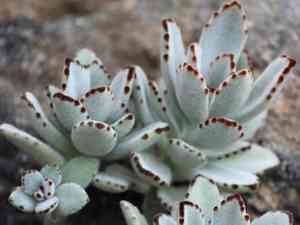
The Chocolate soldier, or Kalanchoe tomentosa, is a charming succulent recognized for its velvety, chocolate-tipped foliage. This plant is a xerophyte, meaning it flourishes in arid conditions and has evolved to store moisture within its leaves. Unlike many indoor plants, the Chocolate soldier prefers drier substrates and needs less frequent irrigation. Excessive watering can be harmful, making it crucial to comprehend its specific hydration demands.
Indicators of Excessive and Insufficient Watering
Overwatering your Chocolate soldier can lead to root decay, identified by a soft stem, yellowing leaves, and an unpleasant odor. Underwatering, conversely, may cause the leaves to wrinkle and lose their plumpness. The plant will appear wilted and parched. Observing these signs closely can help you modify your watering routine appropriately.
Seasonal Changes in Chocolate soldier Irrigation
Seasonal shifts significantly influence your Chocolate soldier's watering requirements. During the active growth period in spring and summer, it might need slightly more frequent watering, approximately every 10 days. Conversely, in the dormant winter months, reduce irrigation to once every three weeks. Adjustments should be made based on the plant's environment and the soil's moisture level.
Optimal Practices for Hydrating Your Chocolate soldier
Watering Frequency
A general guideline is to water your Chocolate soldier every two weeks. However, factors such as ambient humidity, temperature, and soil composition play a vital role. Always check the top few centimeters (inches) of soil; it should be dry before the next watering. Remember, it's better to slightly under-hydrate than to risk over-hydrating this succulent.
Proper Method for Watering Chocolate soldier
When irrigating, ensure you thoroughly soak the soil until surplus water drains from the pot's base. Avoid applying water directly onto the leaves to prevent rot and fungal infections. Instead, pour water at the soil surface, allowing it to seep down to the roots. Always empty the drainage saucer after watering to prevent the roots from sitting in stagnant water.
Water Type and Temperature
The Chocolate soldier prefers tepid water, around 20°C (68°F). Cold water can shock the roots, while hot water can damage them. Tap water is often suitable, but if your tap water is heavily chlorinated or softened with salt, consider using filtered or distilled water to avoid chemical accumulation that can harm the plant over time.
Advanced Tips for Hydrating Chocolate soldier
Utilizing Moisture Meters for Accuracy
For those wishing to precisely manage their Chocolate soldier's water intake, moisture meters are a useful tool. Insert the meter into the soil to accurately assess its moisture content. Aim for a reading towards the drier end of the scale, indicating it's time to water. This technique can help prevent over or under-watering and maintain optimal hydration levels.
Adjusting Watering Needs for Growing Substrates
Different growing mediums impact watering requirements. A well-draining cactus or succulent mix is ideal for the Chocolate soldier. If using a standard potting mix, add perlite or sand to improve drainage. Adjust your watering schedule based on the mix's properties; less water is needed for well-draining soils compared to dense, water-retentive ones.
Recognizing the Influence of Containers and Drainage
The type of pot and its drainage are critical for the Chocolate soldier. Terra cotta pots are excellent as they allow moisture to evaporate through their sides, thus keeping the soil dry. Ensure your pot has ample drainage holes to prevent water from accumulating at the bottom. Proper drainage helps mimic the plant's natural arid environment, reducing the risk of overwatering.



