How Often Should You Water Your Rocky mountain juniper?
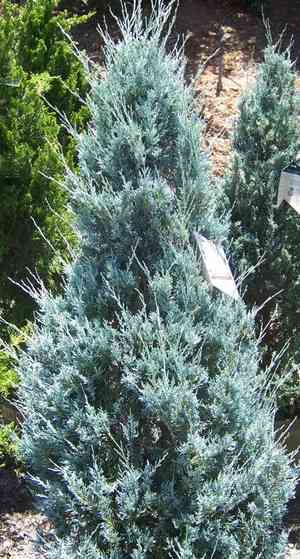
1
Irrigation schedule: Weekly during the active growth period.
2
Refrain from watering in wet seasons to prevent root decay.
3
Applying mulch aids in soil moisture retention and lessens the need for frequent watering.
Understanding the Hydration Requirements of Rocky Mountain Juniper
The Significance of Adequate Moisture
Sufficient moisture is vital for the well-being of your Rocky Mountain Juniper. These evergreens originate from the arid regions of the Rocky Mountains, where they have adapted to dry conditions. Nevertheless, providing consistent and ample water helps the plant maintain its foliage and resist pests and diseases.
Local Climates and Their Influence on Irrigation Frequency
Your geographical location greatly impacts how often you need to irrigate your Rocky Mountain Juniper. In dry and semi-dry areas, such as the Southwestern United States, more frequent watering might be necessary compared to regions with higher precipitation. Always modify your watering routine based on local weather conditions to ensure your juniper receives the correct amount of moisture.
The Role of Substrate in Water Retention
Soil composition also plays a crucial part in moisture retention. Sandy soils drain water more rapidly, necessitating more frequent watering, while clay soils hold moisture longer. Ensuring your Rocky Mountain Juniper is planted in well-draining soil can prevent waterlogging and root decay. Incorporating organic matter like compost can also enhance soil structure and moisture retention.
Optimal Irrigation Methods for Rocky Mountain Juniper
When and How Often to Irrigate
For optimal development, water your Rocky Mountain Juniper once a week during its active growth period. This frequency ensures the soil remains moist but not saturated. In hotter climates or during drought conditions, you might need to water more often. Employ a slow-release watering technique to ensure deep soil penetration and foster a robust root system.
Best Practices for Watering Rocky Mountain Juniper
To water your juniper most effectively, concentrate on the root area rather than the foliage. Utilize a soaker hose or drip irrigation system to deliver water directly to the roots. Water in the early morning or late evening to minimize evaporation rates and ensure more water reaches the roots. Avoid overhead watering as it can lead to fungal issues.
Common Watering Errors to Avoid with Rocky Mountain Juniper
Excessive Watering and Its Consequences
Overwatering is one of the most frequent mistakes when caring for Rocky Mountain Juniper. Too much moisture can lead to root rot, causing the plant to wilt and eventually perish. Ensure the soil dries out slightly between watering sessions. If the area experiences rainfall, adjust your watering schedule accordingly.
Indicators of Insufficient Watering and How to Remedy It
Underwatering can also be harmful. Signs of inadequate watering include browning or yellowing needles and overall poor growth. To correct this, gradually increase the watering frequency and ensure the water penetrates deeply. Monitor the soil moisture regularly to maintain an optimal balance.
How Seasonal Changes Affect Hydration Needs
Adjusting Watering Schedules from Warm to Cold Seasons
Seasonal modifications are essential for watering Rocky Mountain Juniper. During summer, increase watering frequency to approximately twice a week to combat high temperatures and evaporation rates. In winter, you can reduce the frequency significantly as the plant enters dormancy and requires less water.
Specific Considerations for Spring and Autumn Care
In spring, as the plant begins to grow actively, gradually increase your watering schedule to support new growth. Similarly, in autumn, continue a moderate watering schedule to help the juniper prepare for the cold months ahead. Consistent monitoring is key to adjusting your watering practices in these transitional seasons.



