How Often Should You Water Your Common rush?
1
Provide your Common rush with water weekly to sustain its hydration.
2
Excessive watering may lead to root decay, whereas insufficient watering will dehydrate the plant.
3
Modify your watering routine according to the time of year to ensure your Common rush thrives.
Grasping the Hydration Requirements of Common rush
Optimal Moisture Conditions for Common rush
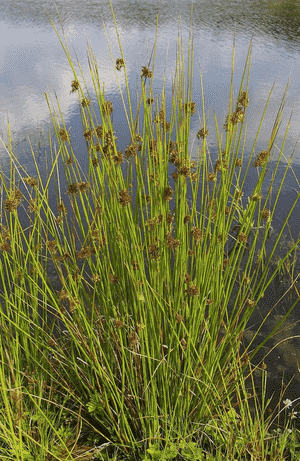
The Common rush, known scientifically as Juncus effusus, flourishes in damp environments, frequently found along the edges of ponds and streams. This plant favors consistently moist soil, mimicking the wet habitats from which it originates. To provide the perfect moisture conditions for your Common rush, ensure the soil is never completely dry. This can be achieved by maintaining a regular watering schedule and employing methods such as mulching to retain soil moisture.
Indicators of Excessive and Insufficient Watering
A healthy Common rush will display vibrant green foliage and robust stems. However, to keep your plant in prime condition, you must balance watering to prevent both overwatering and underwatering. Overwatered Common rush plants may develop yellowing leaves and root rot, evidenced by a soft, brown stem base and an unpleasant odor. Conversely, insufficient watering can cause the plant to become brittle and brown, with leaves curling and wilting. Observing these signs will help you adjust your watering practices accordingly.
Optimal Practices for Irrigating Common rush
Seasonal Watering Adjustments
Your Common rush will necessitate varying watering frequencies as the seasons change. During spring and summer, when growth is most vigorous, water your plant weekly, ensuring the soil remains consistently moist. In contrast, the plant's growth slows down in fall and winter, reducing its water needs. During these periods, you can water your Common rush less frequently, approximately every 10-14 days, while still ensuring the soil does not completely dry out. Adjusting your watering habits seasonally will help maintain the plant's health and prevent water-related stress.
Watering Techniques for Peak Growth
The correct watering techniques are vital for the optimal growth of your Common rush. To evenly distribute moisture, water the base of the plant rather than sprinkling over the top. This minimizes evaporation and ensures the water reaches the roots. Additionally, utilizing drip irrigation or soaker hoses can provide a slow, steady supply of water that the soil can absorb efficiently. These methods help maintain consistent moisture levels and reduce the risk of water runoff.
Employing the Right Water and Implements
Using appropriate water and tools can enhance your watering efforts. Rainwater or distilled water is often best for Common rush, as these waters are free from the chlorine and salts that can accumulate in tap water. Collecting rainwater in a barrel is an eco-friendly and cost-effective solution. Regarding tools, a watering can with a long spout or a hose with a gentle spray nozzle allows you to control the flow and reach of your watering, ensuring that each part of the plant receives adequate moisture without the risk of waterlogging.
Common Questions Regarding Common rush Watering
How frequently should I assess soil moisture?
Given the Common rush's preference for consistently moist soil, it is advisable to check the soil's moisture levels regularly, at least twice a week. You can do this by inserting your finger about 2.5 cm (1 inch) into the soil. If the soil feels dry at this depth, it is time to water. Consistent monitoring helps you anticipate the plant's needs and prevents either excessively dry or waterlogged conditions.
What is the ideal time of day to water Common rush?
The best time to water your Common rush is early in the morning or late in the afternoon. Watering during these cooler parts of the day minimizes evaporation rates and allows the plant ample time to absorb moisture before the heat of the day sets in. Avoid watering when the sun is at its peak, as this can lead to rapid evaporation and potentially harm the plant. Adopting these timing strategies will help ensure your Common rush remains ideally hydrated throughout the day.



