How Often Should You Water Your Peregrina?
1
Provide your Peregrina plant with water every seven days, modifying as per the time of year and surrounding factors.
2
Excessive watering may result in root decay and various fungal ailments, thus confirm adequate drainage.
3
Employing a moisture sensor can assist in precisely determining when your Peregrina requires hydration.
Understanding Peregrina's Hydration Requirements
Core Principles of Peregrina Moisture
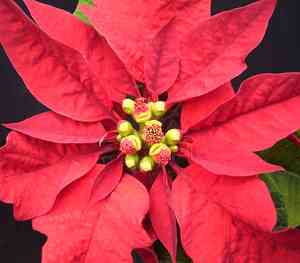
The Peregrina, a lively and tropical woody shrub, flourishes with a consistent watering regimen. This attractive plant, known for its scarlet blossoms, needs a moderate amount of water to sustain its lush foliage and abundant flowers. Typically, the guideline is to irrigate the Peregrina once weekly. However, this can fluctuate based on elements like climate, season, and the plant's overall vitality.
Elements Affecting Water Demands
Several elements can impact the water volume your Peregrina needs. These include the plant's placement, the soil type, and the current time of year. In warmer regions, the soil will dry out more quickly, necessitating more frequent irrigation. Conversely, during colder periods, the plantâs water requirements diminish. Additionally, well-draining soil helps prevent water pooling, which can harm the roots.
Effective Peregrina Watering Techniques
Optimal Watering Practices
To water your Peregrina effectively, begin by inspecting the soil's uppermost layer. If it feels arid to the touch, itâs time to irrigate. Ensure that water penetrates deeply to reach the root system, but avoid creating standing water around the plant. Water in the early morning or late evening to minimize evaporation and ensure maximum absorption.
Selecting Appropriate Watering Tools and Methods
Utilizing the correct implements can make a significant difference. A watering can with an extended spout helps deliver water directly to the plant's base without excessively wetting the leaves. For larger specimens, a soaker hose can efficiently hydrate the soil. Employing a moisture meter can help you prevent over or under-watering by providing precise readings of soil moisture levels.
Common Watering Errors to Avoid with Peregrina
Excessive Watering and Its Repercussions
One of the most frequent errors is overwatering, which can lead to root rot and other fungal ailments. Overwatering deprives the roots of oxygen, hindering their ability to absorb necessary nutrients. Symptoms of overwatering include yellowing leaves, wilting, and a generally unhealthy appearance. To prevent this, ensure your pot or garden bed has adequate drainage.
Indicators of Insufficient Watering
Underwatering, though less prevalent, can be equally detrimental. Signs of insufficient watering include dry, brittle leaves, stunted growth, and drooping. If the soil feels parched, this clearly indicates your Peregrina requires more frequent irrigation. Consistently monitor the soil moisture to keep your plant adequately hydrated.
Seasonal Adjustments for Peregrina Hydration
Summer Watering Schedule
During the warmer months, the Peregrina demands more frequent watering due to increased evaporation and higher temperatures. Itâs vital to check the soil moisture more often and provide additional hydration as needed. Applying mulch around the plant's base can help retain soil moisture and keep the roots cool.
Winter Watering Considerations
In winter, your Peregrina's water needs decrease considerably. The plant enters a dormant phase, and cooler temperatures reduce the rate of evaporation. Water less frequently, and ensure the soil is not waterlogged. Always allow the top layer of soil to dry out before watering again to prevent root problems.



