How Often Should You Water Your Moonflower?
1
Provide your Moonflower with water weekly to maintain steady soil hydration.
2
Whenever feasible, employ tepid water, as it's less prone to startling the plant.
3
Watering in the morning is optimal to deter fungal development and permit thorough water absorption.
Understanding Moonflower Hydration Requirements
The Significance of Water for Moonflower
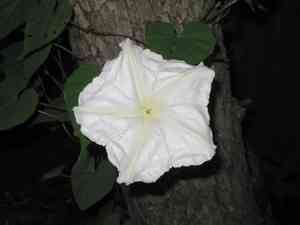
Water is a crucial element for the vitality and development of Moonflower. As a robust climbing plant, it depends on consistent moisture to support its rapid expansion and abundant foliage. Proper hydration ensures the plant can efficiently photosynthesize, leading to vigorous growth and spectacular blossoms that unfurl at dusk.
How Frequently Should You Hydrate Your Moonflower?
The ideal watering schedule for Moonflower is once per week. This consistent routine helps maintain an even level of soil moisture, which is essential for the plant's well-being. However, always check the topsoil before irrigating; if the upper 2-3 centimeters (1 inch) feel dry, it's time to water.
Indicators of Insufficient and Excessive Watering
Recognizing the signs of under-watering and over-watering is vital for maintaining a healthy Moonflower. Dehydrated plants may display wilting, yellowing leaves, and stunted growth. Conversely, excessive watering can result in yellowing foliage, root decay, and inhibited development. Observing your plant's appearance helps you adjust your watering practices accordingly.
Optimal Practices for Moonflower Irrigation
Selecting the Appropriate Time of Day to Water Moonflower
When it comes to hydrating your Moonflower, timing is important. Early morning is the best time to water, as the plant has the entire day to absorb moisture before the cooler night arrives. This timing also minimizes the risk of fungal proliferation, which can thrive in damp, overnight conditions.
Effective Watering Methods for Moonflower
To water your Moonflower effectively, pour water slowly and uniformly around the plant's base. This ensures the soil absorbs the water deeply, fostering strong root development. Avoid overhead watering, as it can lead to fungal diseases on the leaves. Instead, concentrate on the soil surrounding the roots.
Adjusting Watering Based on Seasonal Variations
Modifying your watering routine according to the season is crucial for Moonflower. During the hot summer months, the plant may require more frequent watering, potentially twice a week. In cooler seasons, decrease the frequency but continue to monitor the soil's moisture levels to prevent drought stress or waterlogging.
Resolving Common Watering Problems
Addressing Waterlogged Soil for Moonflower
Waterlogged soil can be detrimental to Moonflower, leading to root rot and affecting overall health. If you encounter waterlogging, enhance soil drainage by incorporating organic matter like compost or sand. Ensure the pot or planting area has adequate drainage holes to allow excess water to escape.
Identifying and Correcting Poor Drainage
Poor drainage can be identified by consistently soggy soil or water accumulating on the surface. To rectify this issue, first assess the planting area for compacted soil or blocked drainage. Consider repotting the plant in a well-draining soil mix or relocating it to a raised bed or container with improved drainage.
Tips for Revitalizing an Over-Watered Moonflower
Reviving an over-watered Moonflower requires several steps. First, remove the plant from excessively wet soil and trim any decayed roots. Allow the healthy roots to dry slightly before repotting in fresh, well-draining soil. Reduce watering frequency and observe the plant closely for signs of recovery, such as new growth or improved leaf color.



