How Often Should You Water Your Garden balsam?
1
Hydrate your Garden balsam bi-weekly for optimal growth.
2
Keep the soil consistently damp, avoiding saturation to prevent root decay.
3
Factor in the plant's surroundings: elevated humidity necessitates less frequent irrigation.
Grasping Garden balsam's Hydration Needs
The Significance of Proper Moisture for Garden balsam
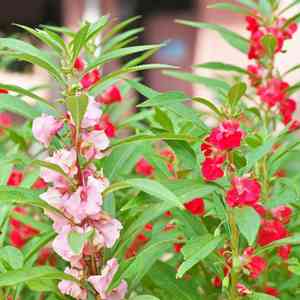
Adequate hydration is vital for Garden balsam's prosperity. This vibrant annual, native to Asia, is recognized for its sleek, touch-me-not blossoms and demands consistent moisture to sustain its lush foliage and vivid blooms. Excessively dry conditions can induce stress and impede development, while overly saturated soil can cause root decay, making balanced irrigation crucial.
Factors Affecting Water Requirements
Several elements influence how often Garden balsam requires watering. Key factors include the climate, soil composition, and the growing medium. In hot, sunny environments, the plant might need more frequent watering, whereas in cooler or more humid settings, less water may be necessary. Furthermore, well-draining soil helps prevent water from pooling around the roots, lessening the risk of root rot.
Optimal Watering Practices for Garden balsam
How to Ascertain When to Water
You can determine when to irrigate your Garden balsam by examining the top inch (2.5 cm) of soil. If it feels dry to the touch, it's time to water. A moisture meter can also be beneficial for precisely gauging soil moisture levels, especially for new gardeners. Remember, consistency is paramount â Garden balsam generally thrives with watering twice weekly, but you may need to adapt based on your garden's specific conditions.
Techniques for Efficient Watering
To effectively water your Garden balsam, employ a watering can with a fine rose to gently moisten the soil without splashing the leaves. Watering in the early morning is ideal as it allows the plant to absorb moisture throughout the day without leaving the soil excessively damp overnight. Additionally, consider applying mulch to help retain soil moisture and decrease evaporation, but ensure the mulch doesn't contact the stems to prevent rot.
Common Errors to Avoid When Watering Garden balsam
Excessive Watering and Its Repercussions
Overwatering Garden balsam can lead to various problems, including root rot, yellowing leaves, and stunted growth. It's essential to ensure the soil has good drainage and that water isn't accumulating at the plant's base. To prevent overwatering, always check soil moisture levels before adding water and reduce watering frequency if you observe signs of water stress.
Insufficient Watering and How to Remedy It
Underwatering can be equally problematic, causing Garden balsam to wilt, shed leaves, and develop dry, brittle stems. If you notice these symptoms, increase watering frequency and ensure the plant receives adequate moisture. Moreover, enhancing soil structure with organic matter can help retain moisture and lessen the risk of underwatering. Regular plant monitoring and adjusting your watering schedule will help maintain its health.



