How Often Should You Water Your Yaupon?
1
Yaupon requires weekly watering, with adjustments for climate and ground conditions.
2
Watering Yaupon in the early morning is optimal for maximum uptake.
3
Applying mulch can greatly assist in preserving soil dampness for Yaupon.
Grasping Yaupon Hydration Requirements
Core Principles of Yaupon Moisture
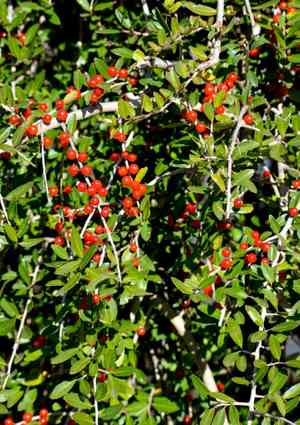
The Yaupon is a robust, evergreen shrub indigenous to the southeastern U.S. It flourishes in diverse settings, from coastal areas to elevated woodlands. Despite its adaptability, ensuring proper irrigation is vital for optimal development. Generally, Yaupon demands consistent moisture, yet it isn't excessively demanding, making it suitable for both new and seasoned gardeners. Root nodes just beneath the surface can quickly access water, which is why a weekly watering schedule (providing 2.5-3.5 liters or 0.7-1.0 gallons) performs well under typical conditions.
Indicators of Adequate Watering
When Yaupon receives sufficient water, you'll observe healthy, vibrant green foliage and steady, moderate development. The plant's leaves should be lush, and the soil should feel slightly damp but not waterlogged. A reliable sign of correct moisture levels is the ease with which you can insert a finger into the soil. If the soil feels dry an inch deep, it's time to irrigate.
Consequences of Excessive and Insufficient Watering
Overwatering Yaupon can lead to root decay and yellowing leaves, indicating that the roots are suffocating due to surplus moisture. Conversely, underwatering can cause leaves to wilt, curl, and eventually drop, as the plant struggles to conserve moisture. Achieving equilibrium is crucial; ensuring the soil remains consistently moist without becoming saturated is key to a thriving Yaupon.
Optimizing Yaupon Watering for Peak Growth
Ideal Time of Day for Yaupon Irrigation
Watering Yaupon in the early morning is most effective. This allows water to permeate the soil before the day's heat induces evaporation. Morning irrigation also primes the plant for the day's photosynthetic activities, providing the necessary hydration to manage its processes efficiently. Avoid evening watering, as cooler night temperatures combined with moisture can foster fungal growth.
Selecting Appropriate Watering Implements
Choosing suitable watering tools can significantly impact your Yaupon's health. Utilize a soaker hose or a watering can with a sprinkler head to ensure even distribution and saturation of the soil. These tools help minimize water wastage by directing moisture precisely where it's needed, enabling deeper penetration into the root zone.
Seasonal Watering Frequency Adjustments
Yaupon's watering requirements fluctuate with the seasons. During the warmer summer months, you might need to increase watering frequency to twice a week (using 5-7 liters or 1.3-1.8 gallons each time) to counteract rapid evaporation and dry soil conditions. In cooler, wetter seasons, reduce irrigation to prevent oversaturation. Always check soil moisture before deciding to water, adjusting based on rainfall and humidity.
Advanced Strategies for Sustaining Moisture Levels
Mulching Techniques for Yaupon
Applying mulch around your Yaupon can aid in retaining soil moisture, moderating soil temperature, and reducing weed competition. Use organic mulches such as pine straw, wood chips, or shredded leaves, applying them 5-10 cm (2-4 inches) thick around the base, but avoid piling it against the trunk. This layer acts as a barrier against evaporation and helps maintain consistent moisture in the root zone.
Integrating Water-Retentive Soil Amendments
To boost moisture retention, incorporate water-retentive soil additives like compost, peat moss, or vermiculite into the soil surrounding your Yaupon. These materials enhance soil structure, improve aeration, and enable the soil to hold water longer, decreasing the need for frequent irrigation. Regularly amending the soil with these additives can improve plant health and lessen drought stress.



